

Featured products
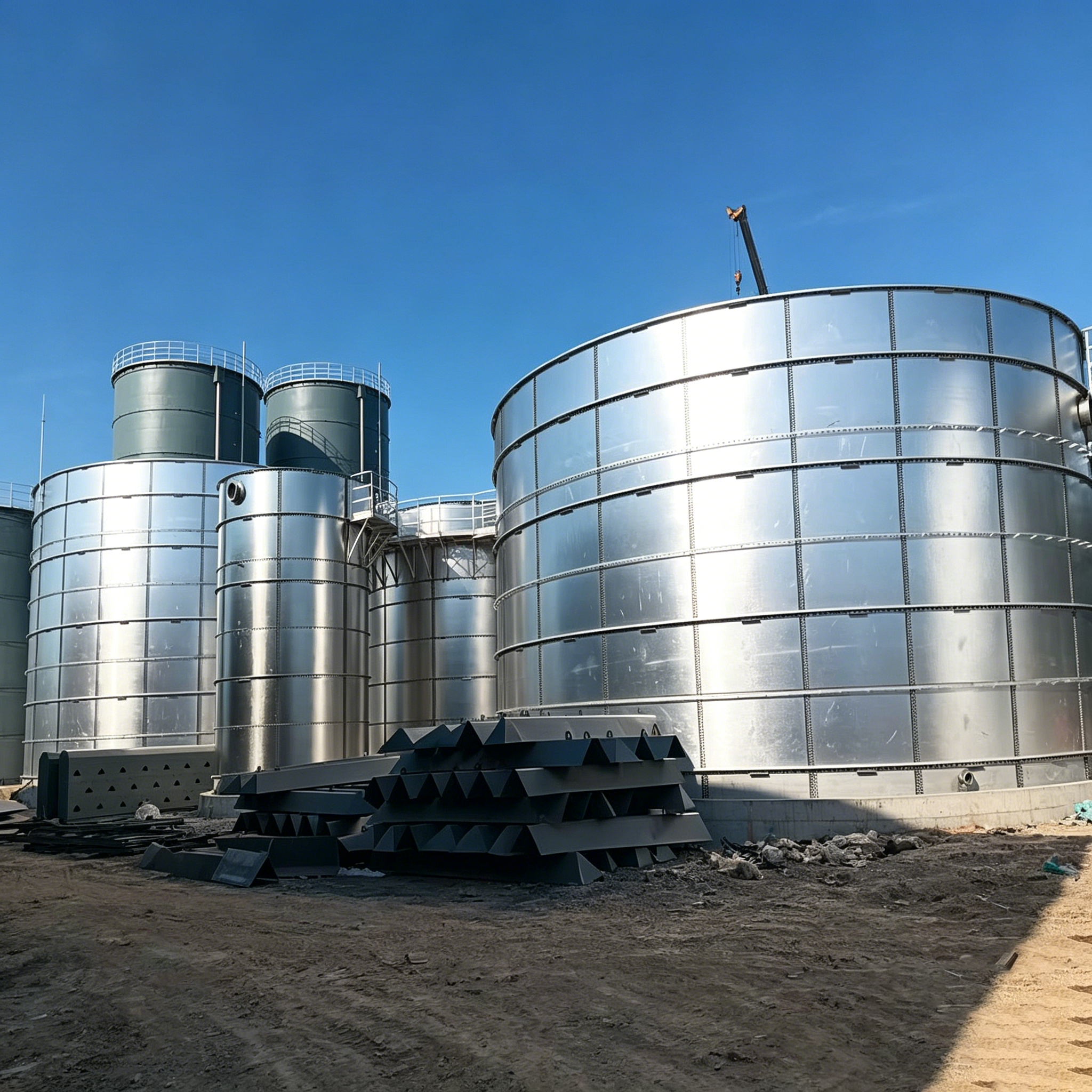

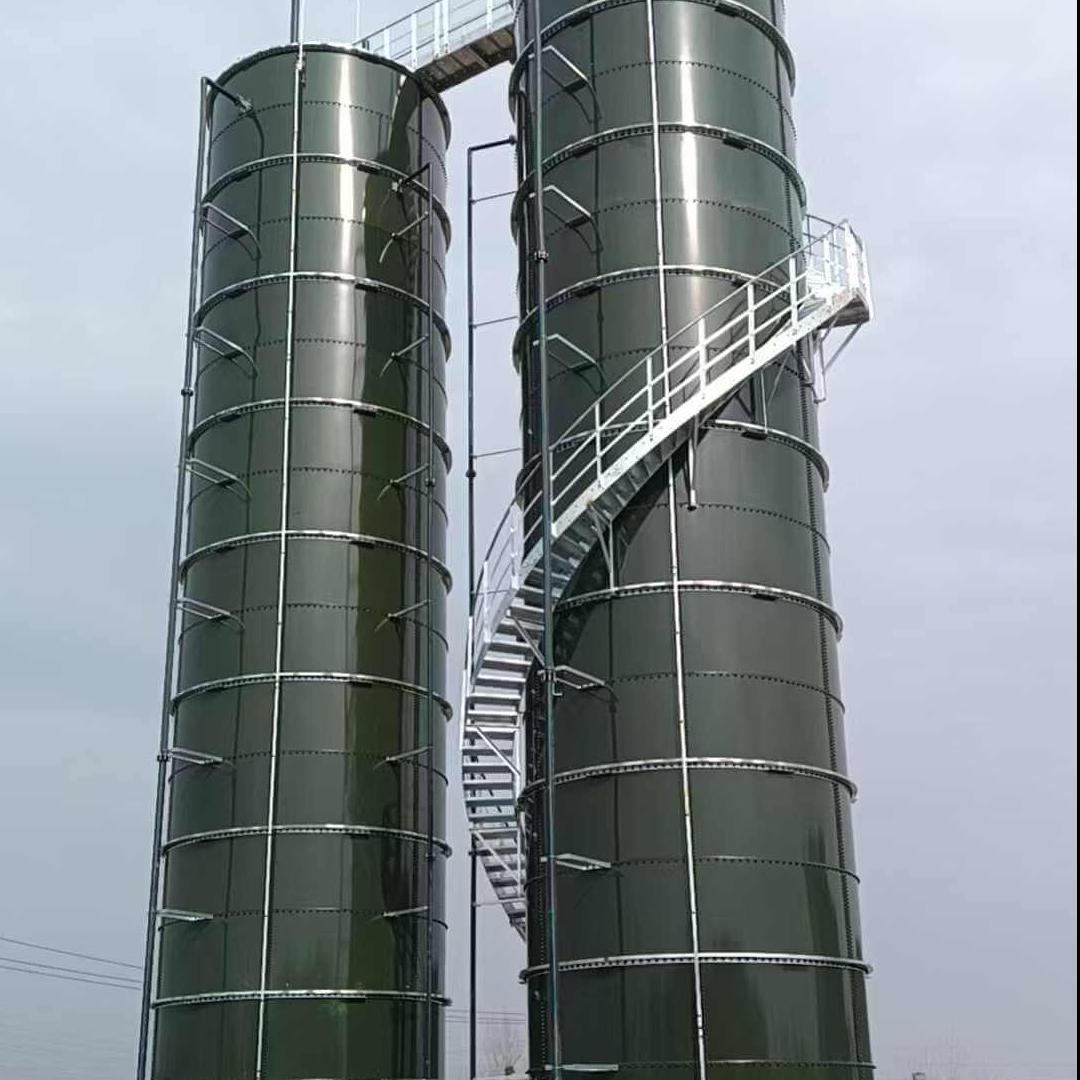
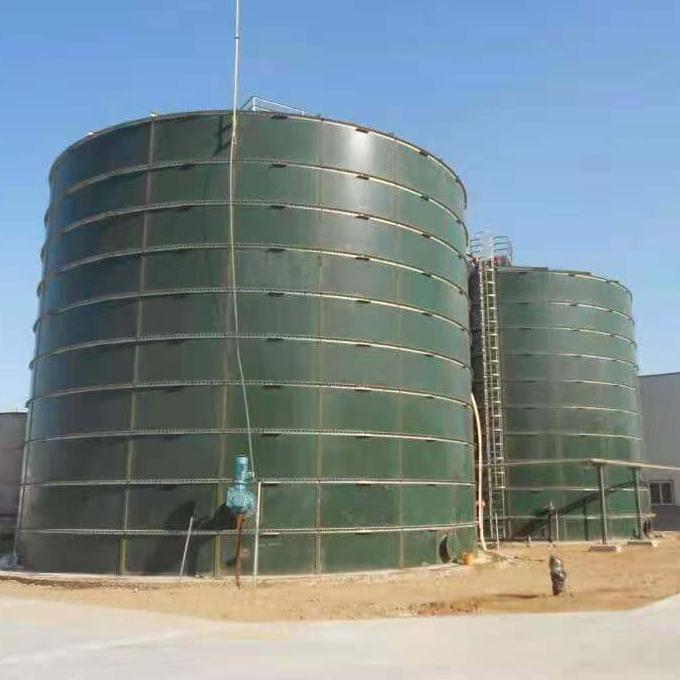
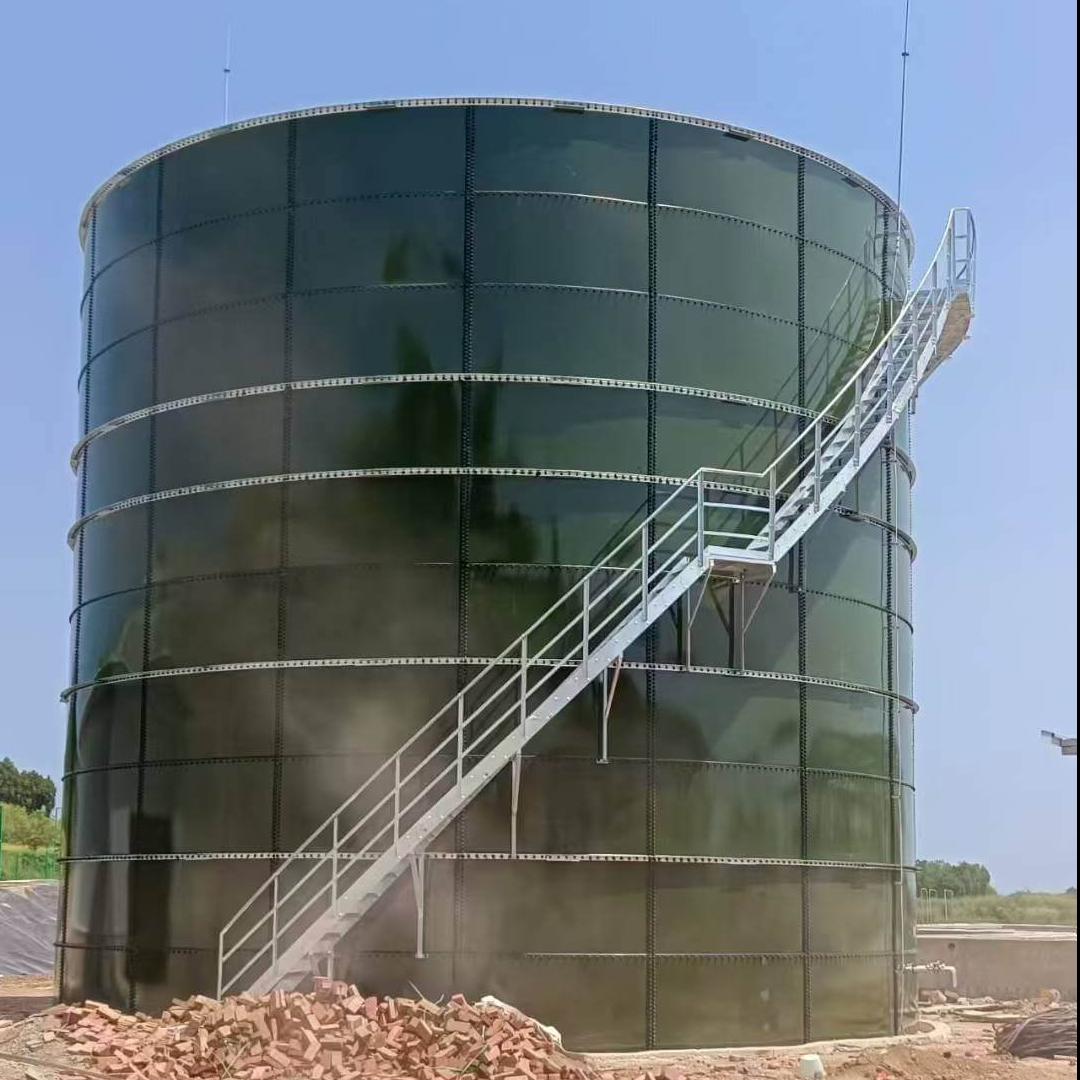
Contact Us
AO vs. A²O Wastewater Treatment: Which One Delivers Better Nitrogen & Phosphorus Removal?
2025-12-11AO vs. A²O Wastewater Treatment Processes: Key Differences Explained
Both the AO (Anoxic–Oxic) and A²O (Anaerobic–Anoxic–Oxic) processes are widely used biological wastewater treatment technologies. While they share similarities, their design, functionality, and treatment capabilities differ significantly—especially when it comes to nutrient removal. Here’s a detailed comparison to help you choose the right system for your needs.
1. Basic Definitions
| Process | Full Name | Common Purpose |
|---|---|---|
| AO | Anoxic–Oxic (most common) or Anaerobic–Oxic | Primarily for nitrogen removal (or phosphorus removal in the Anaerobic–Oxic variant) |
| A²O | Anaerobic–Anoxic–Oxic | Designed for simultaneous nitrogen and phosphorus removal |
Note: In practice, “AO process” usually refers to the Anoxic–Oxic configuration focused on denitrification.
2. Process Flow Comparison
AO Process (Denitrification Type)
Influent → [Anoxic Tank] → [Oxic Tank] → Secondary Clarifier → Effluent
↑
Mixed Liquor Recycle (from oxic zone)
- Lacks an anaerobic zone → limited biological phosphorus removal
- Organic carbon in influent fuels denitrification in the anoxic zone
- Nitrification occurs in the oxic zone (NH₄⁺ → NO₃⁻)
A²O Process
Influent → [Anaerobic] → [Anoxic] → [Oxic] → Secondary Clarifier → Effluent
↑ ↑
Mixed Liquor Recycle Sludge Return
- Three-stage design enables:
- Phosphorus release by PAOs (phosphorus-accumulating organisms) in the anaerobic zone
- Denitrification in the anoxic zone
- Nitrification + phosphorus uptake + organic matter degradation in the oxic zone
Did You Know? The anaerobic tank is critical for effective phosphorus removal—and it must be corrosion-resistant, gas-tight, and durable. That’s where EMC Energy & Environmental Engineering (Qingdao) Co., Ltd.
3. Key Differences at a Glance
| Feature | AO Process (Anoxic–Oxic) | A²O Process |
|---|---|---|
| Stages | 2 (Anoxic + Oxic) | 3 (Anaerobic + Anoxic + Oxic) |
| Nitrogen Removal | ✅ Excellent | ✅ Excellent |
| Phosphorus Removal | ❌ Poor (no anaerobic release) | ✅ Effective biological removal |
| Simultaneous N & P Removal | ❌ No | ✅ Yes |
| Sludge Return Point | Typically to anoxic inlet | To anaerobic inlet |
| Best For | Wastewater with high nitrogen but low phosphorus | Municipal wastewater requiring strict TN & TP limits |
| Operational Complexity | Simpler | Moderate (requires carbon source balancing) |
| Carbon Source Demand | Needed mainly for denitrification | Must be carefully allocated between denitrification and phosphorus release |
4. Reliable Anaerobic Tanks from EMC: Built for Performance & Longevity
When implementing A²O or other anaerobic-based treatment systems (like UASB, EGSB, or anaerobic digesters), the choice of tank material directly impacts system efficiency, maintenance costs, and service life.
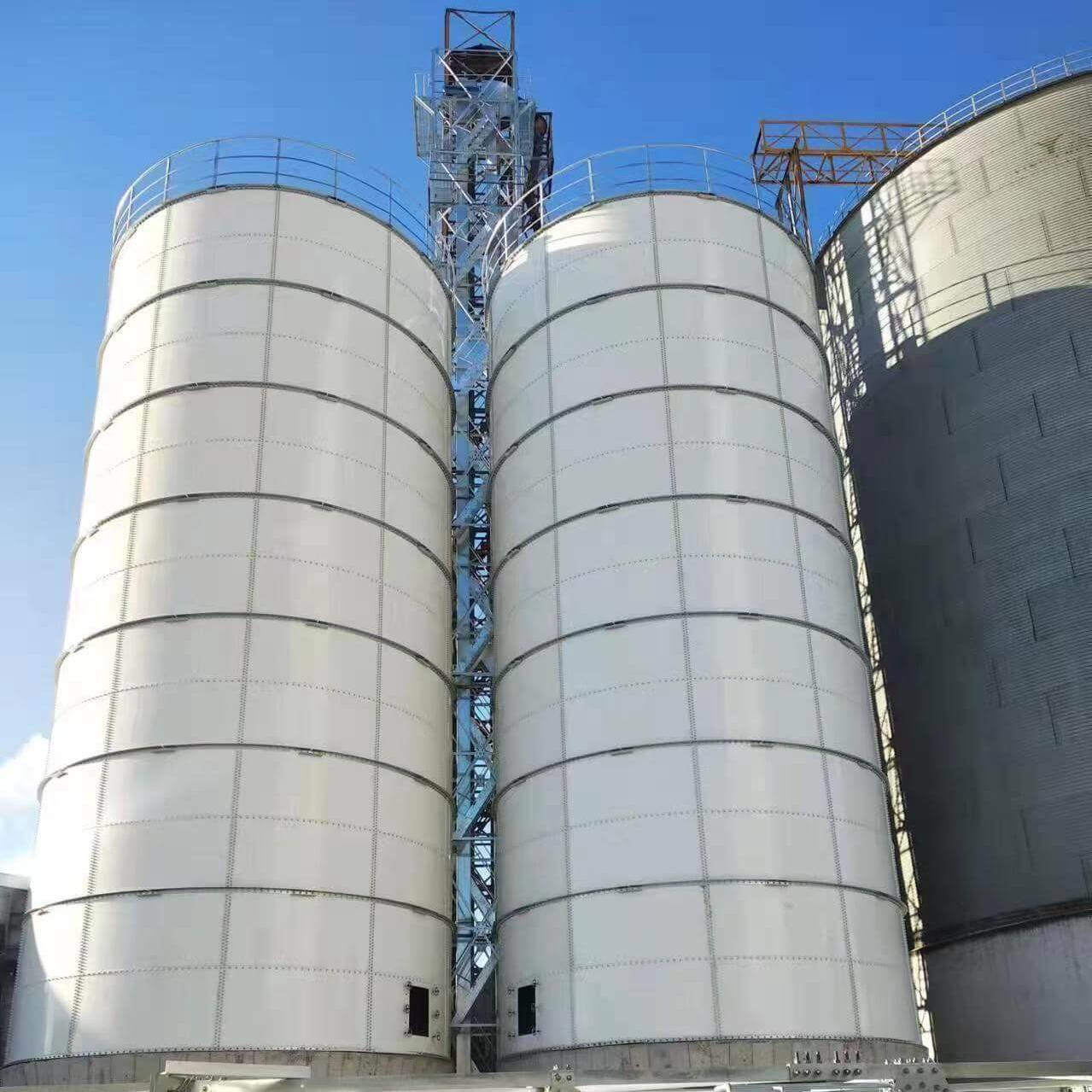
EMC Energy & Environmental Engineering (Qingdao) Co., Ltd. specializes in manufacturing high-performance bolted storage solutions for the water and wastewater industry, including:
- Glass-Fused-to-Steel Bolted Tanks
- Corrosion-resistant coating fused at 850°C
- Ideal for anaerobic fermentation, biogas storage, and sludge digestion
- Service life > 30 years with zero maintenance
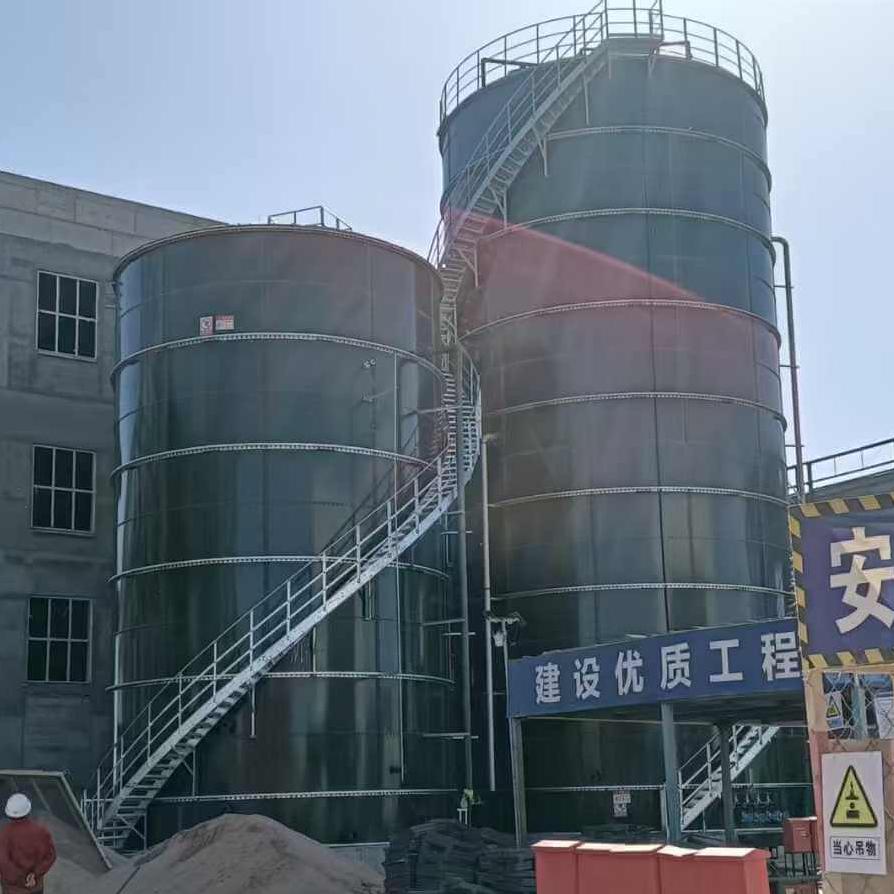
- Epoxy-Coated Bolted Steel Tanks
- High chemical resistance and smooth interior surface
- Cost-effective alternative for less aggressive environments
- Rapid installation with modular design
Our tanks are engineered to meet international standards (AWWA D103, EN 1090, ISO 9001) and have been successfully deployed in over 500 projects for municipal and industrial wastewater industries.
Upgrade your A²O system with a tank that lasts—contact EMC today for a customized anaerobic reactor solution!
5. Which Should You Choose?
- Choose AO if your wastewater has low phosphorus levels or if you plan to use chemical precipitation for phosphorus removal. It’s cost-effective and simpler to operate.
- Choose A²O if your discharge permit requires both low total nitrogen (TN) and total phosphorus (TP)—common in municipal treatment plants aiming for stringent standards like China’s Grade A or EU Urban Wastewater Directive limits.
- Caution: In A²O systems with limited biodegradable carbon, competition between denitrifying bacteria and phosphorus-removing bacteria can reduce efficiency. In such cases, consider advanced variants like UCT, modified A²O, or multi-stage A/O.
✅ Bottom Line:
AO removes nitrogen. A²O removes both nitrogen and phosphorus.
And for the anaerobic stage that makes A²O work—trust EMC’s glass-fused or epoxy bolted tanks for unmatched durability and performance.
Learn more :
Email: jackwang@emcboltedtanks.com
Whatsapp: +86-18562829122
Global Projects Welcome!
Quick Contact
Please leave your email or phone number, We will reply as soon as possible