

- Home
- Products
- Glass Fused To Steel Tank(GFS)
- Enamel Tanks
ProductsPRODUCTS
Featured products

Contact Us
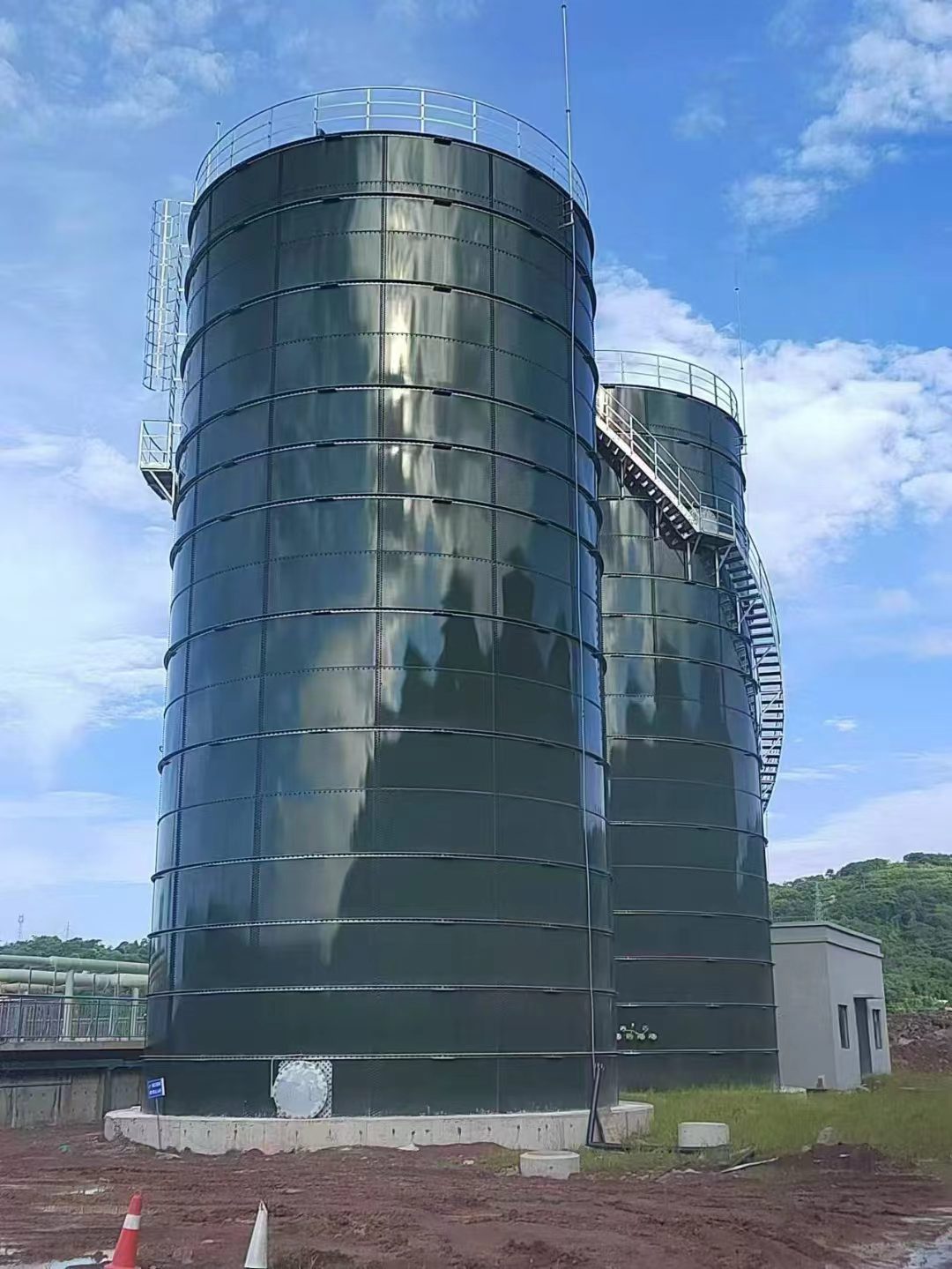
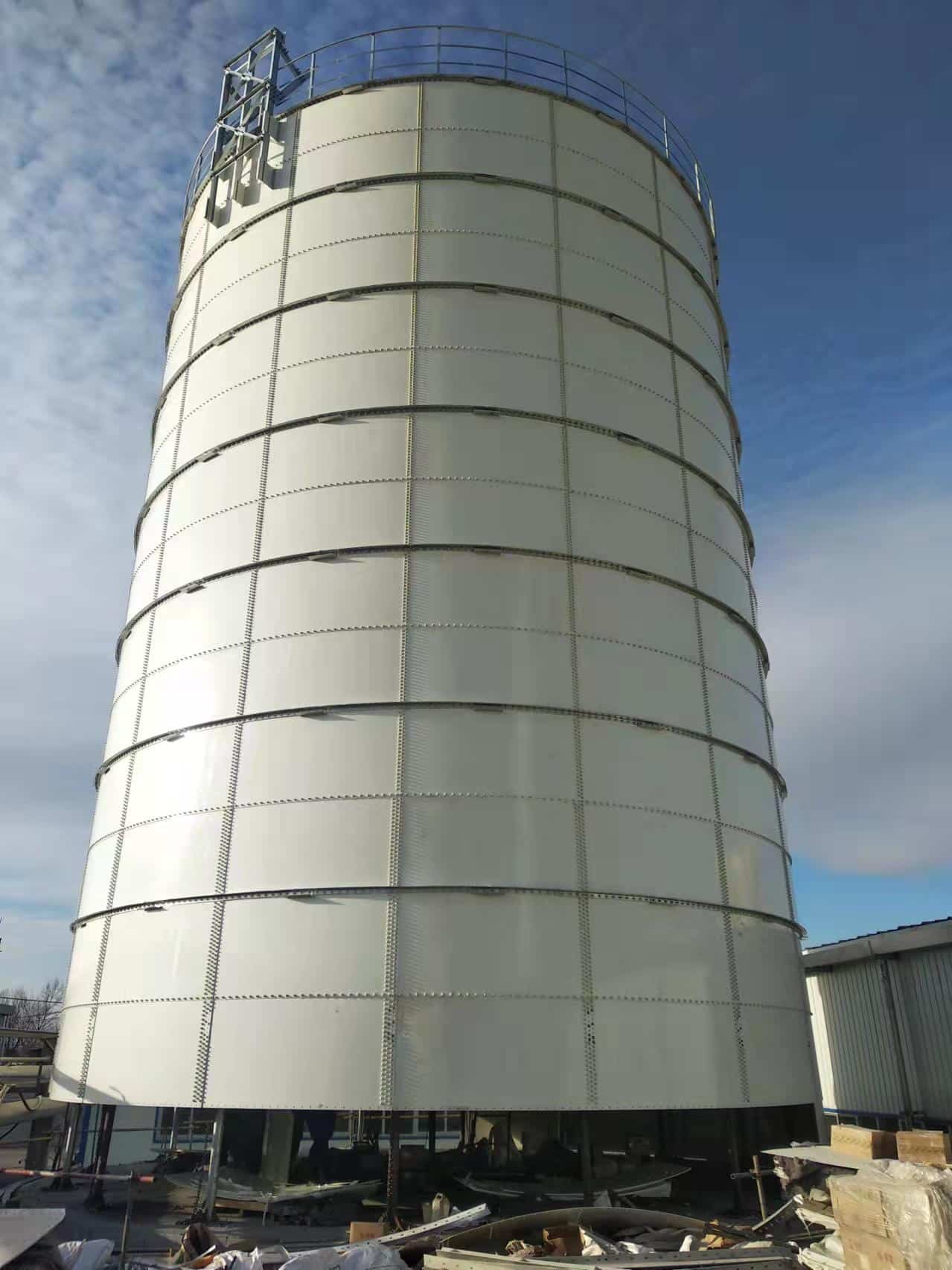
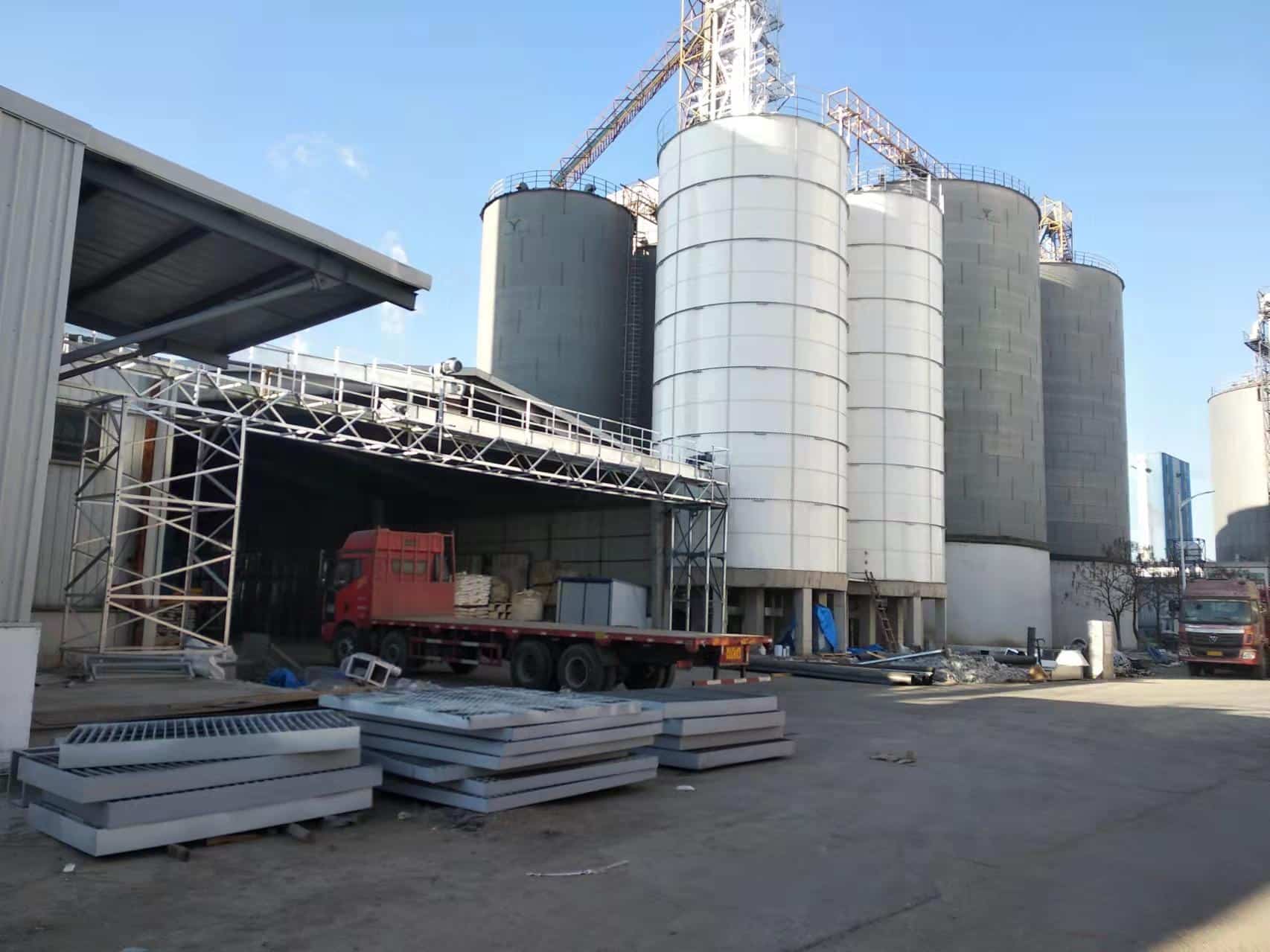
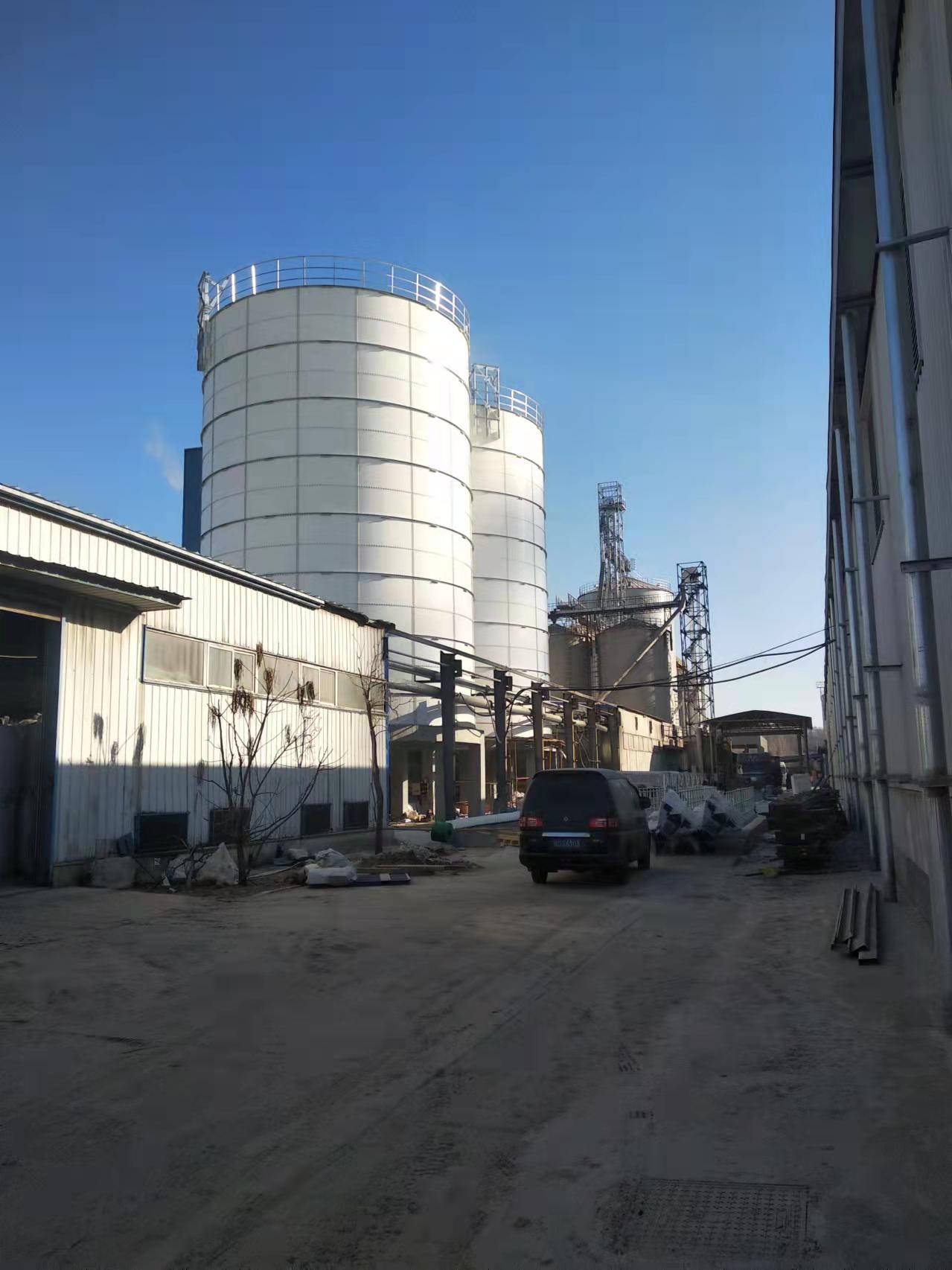
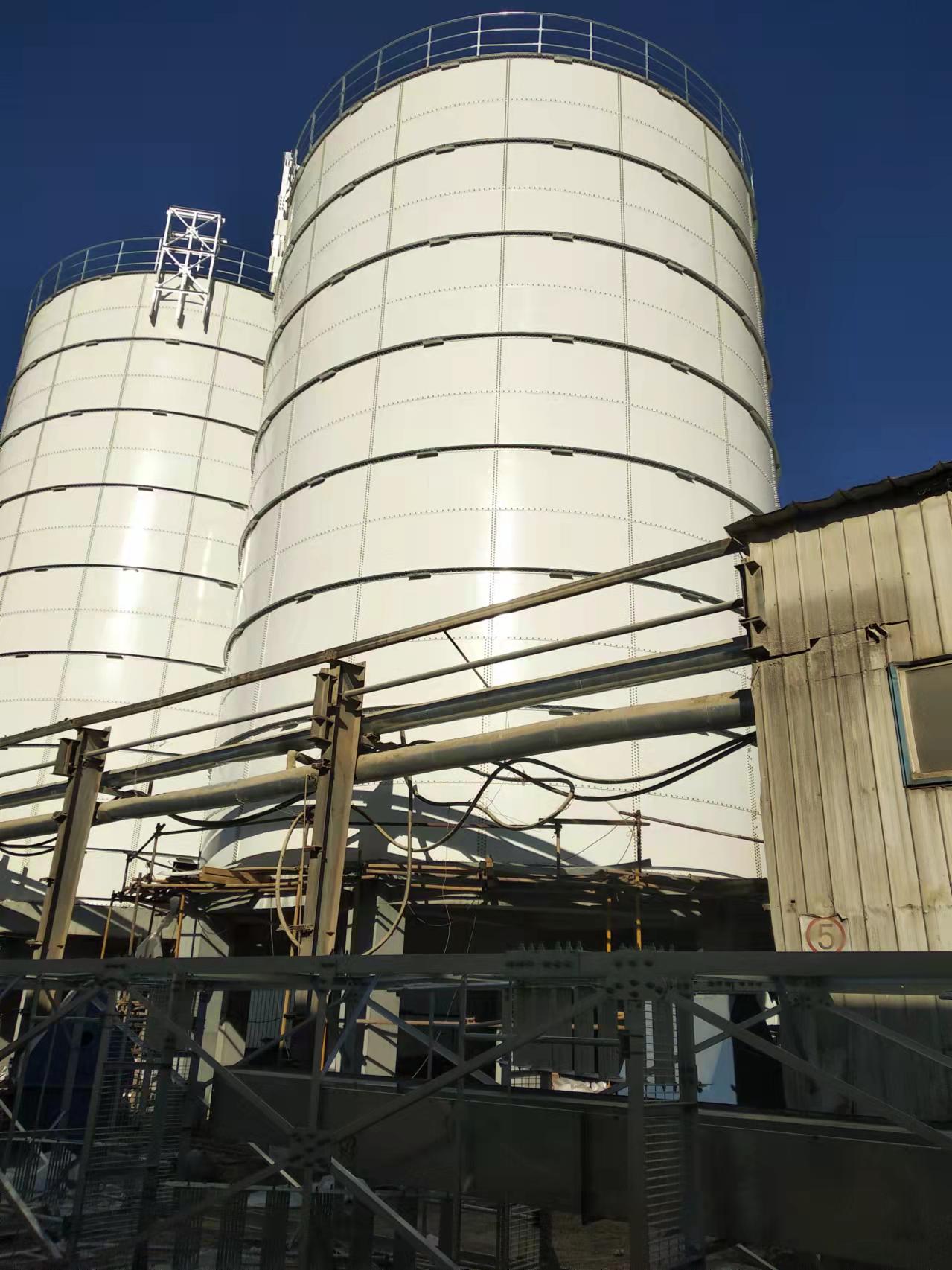
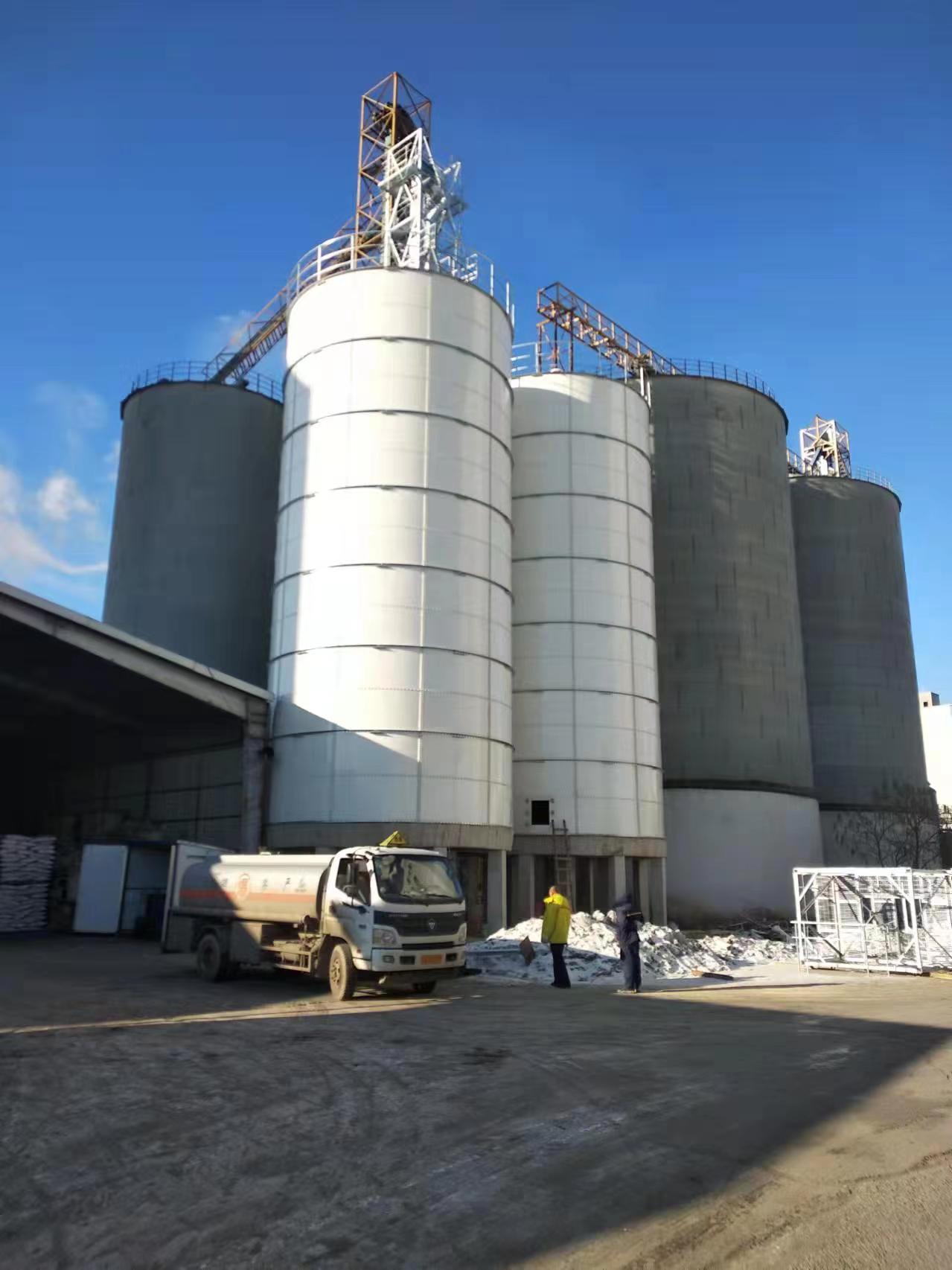
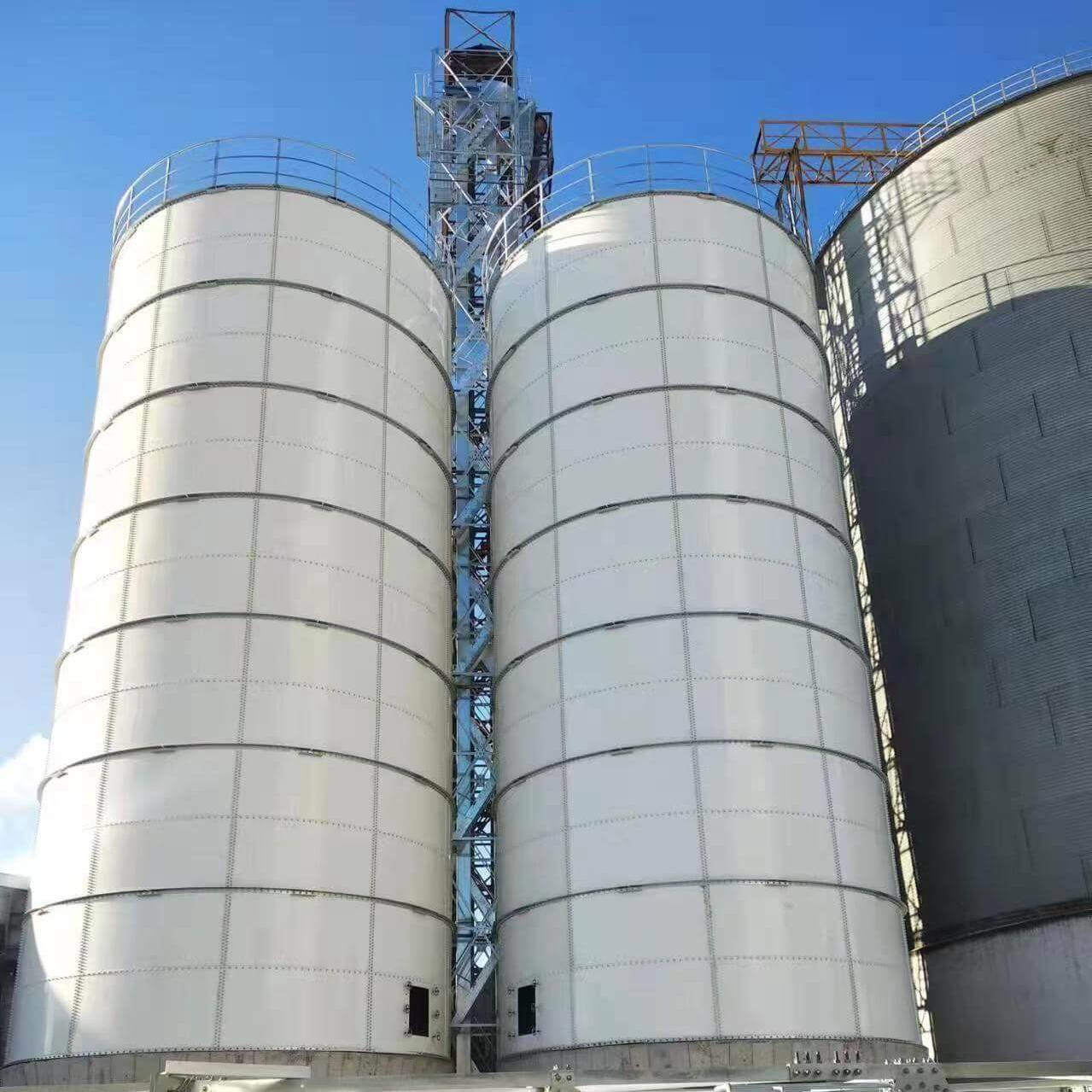
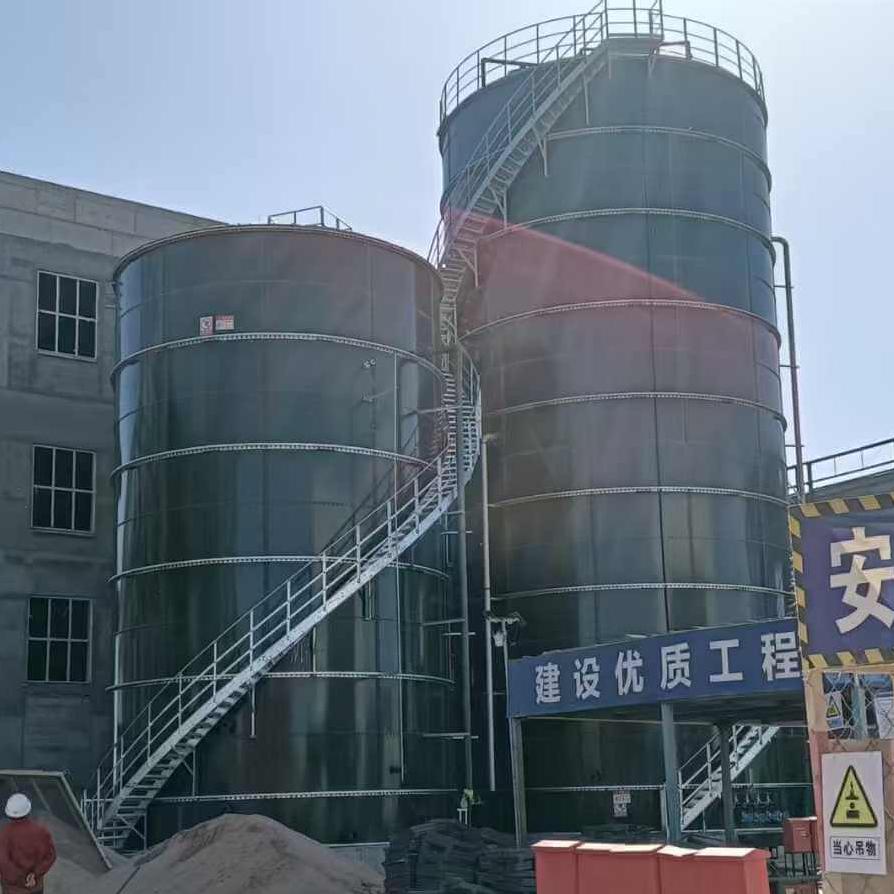
Enamel Tanks
GFS tank
Description:
Enamelled steel tank, also known as Glass-Fused-to-Steel tank (GFS tank) and……
GFS tank
Description:
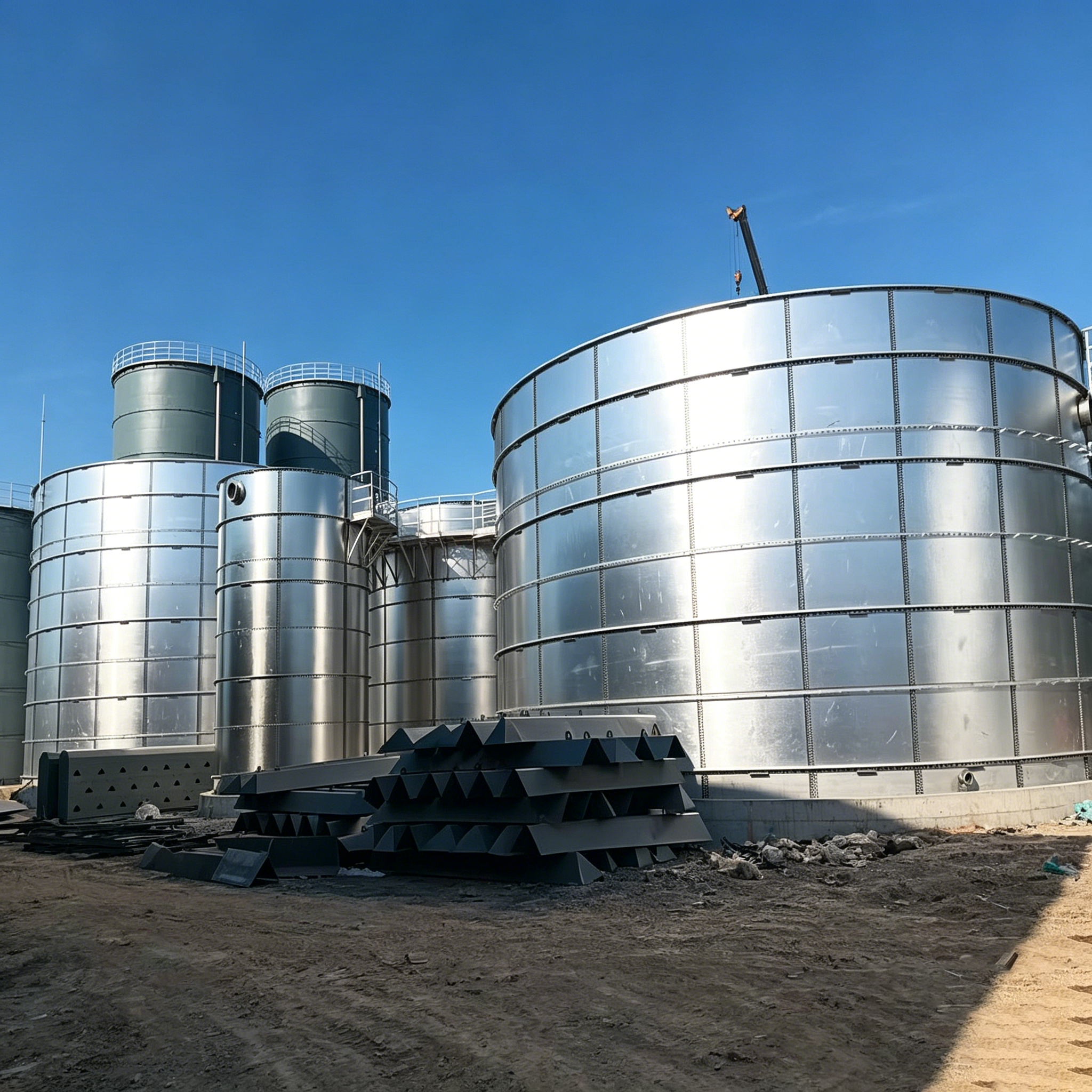
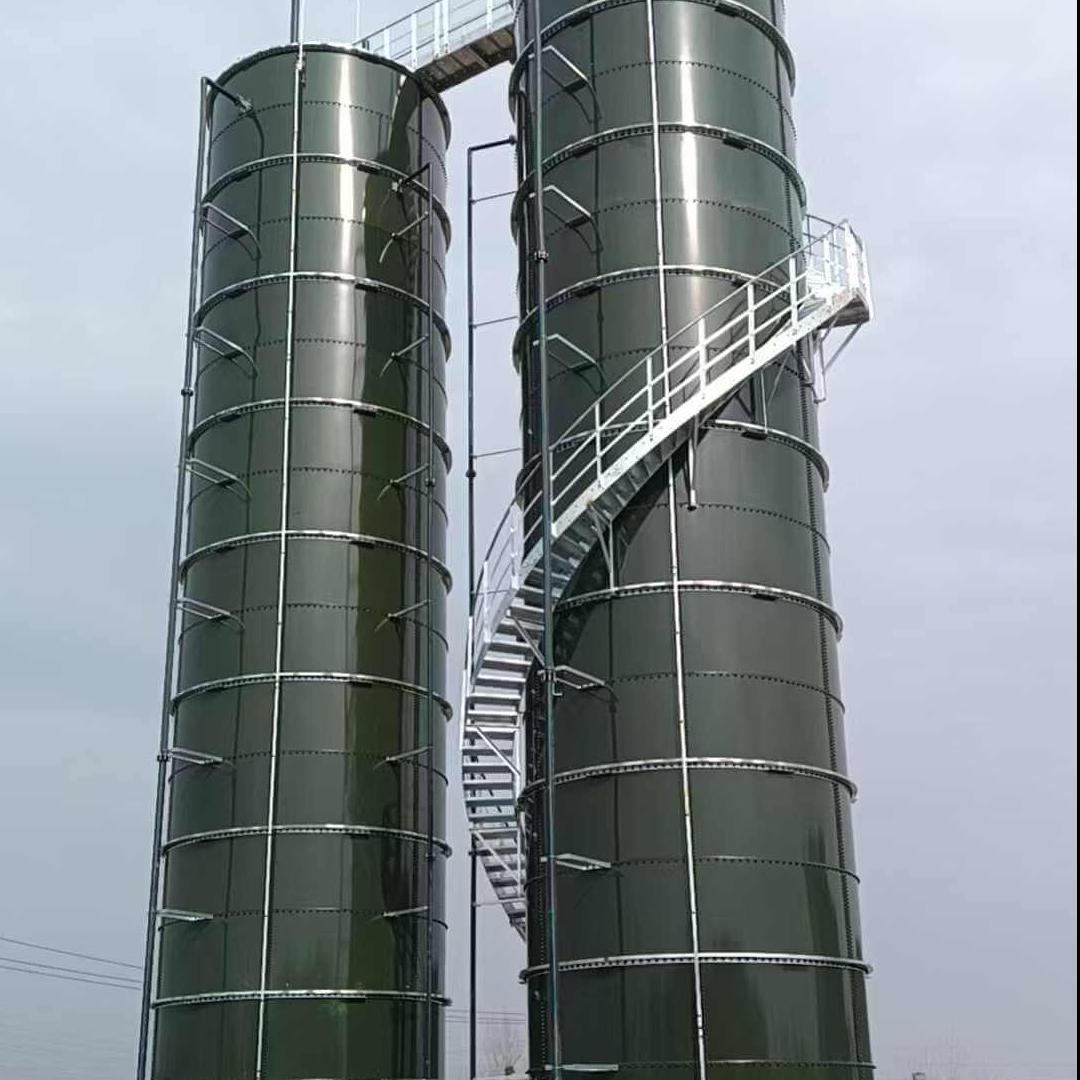
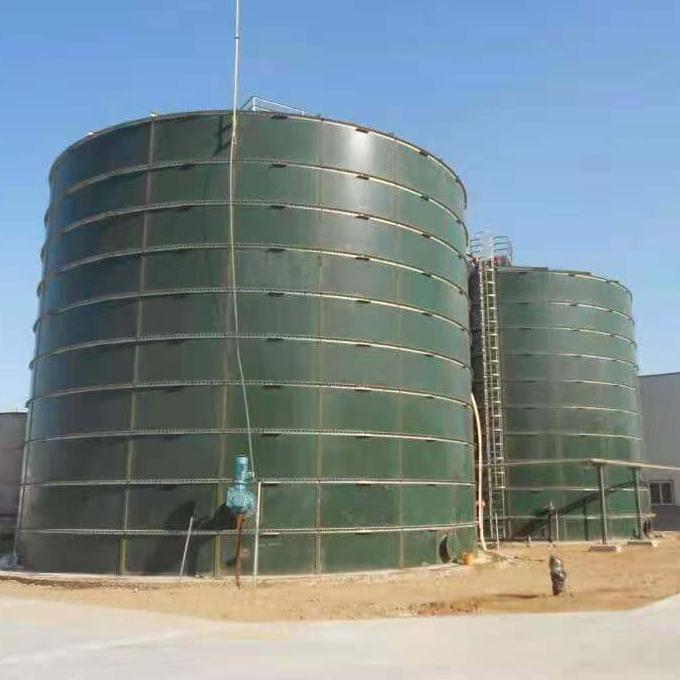
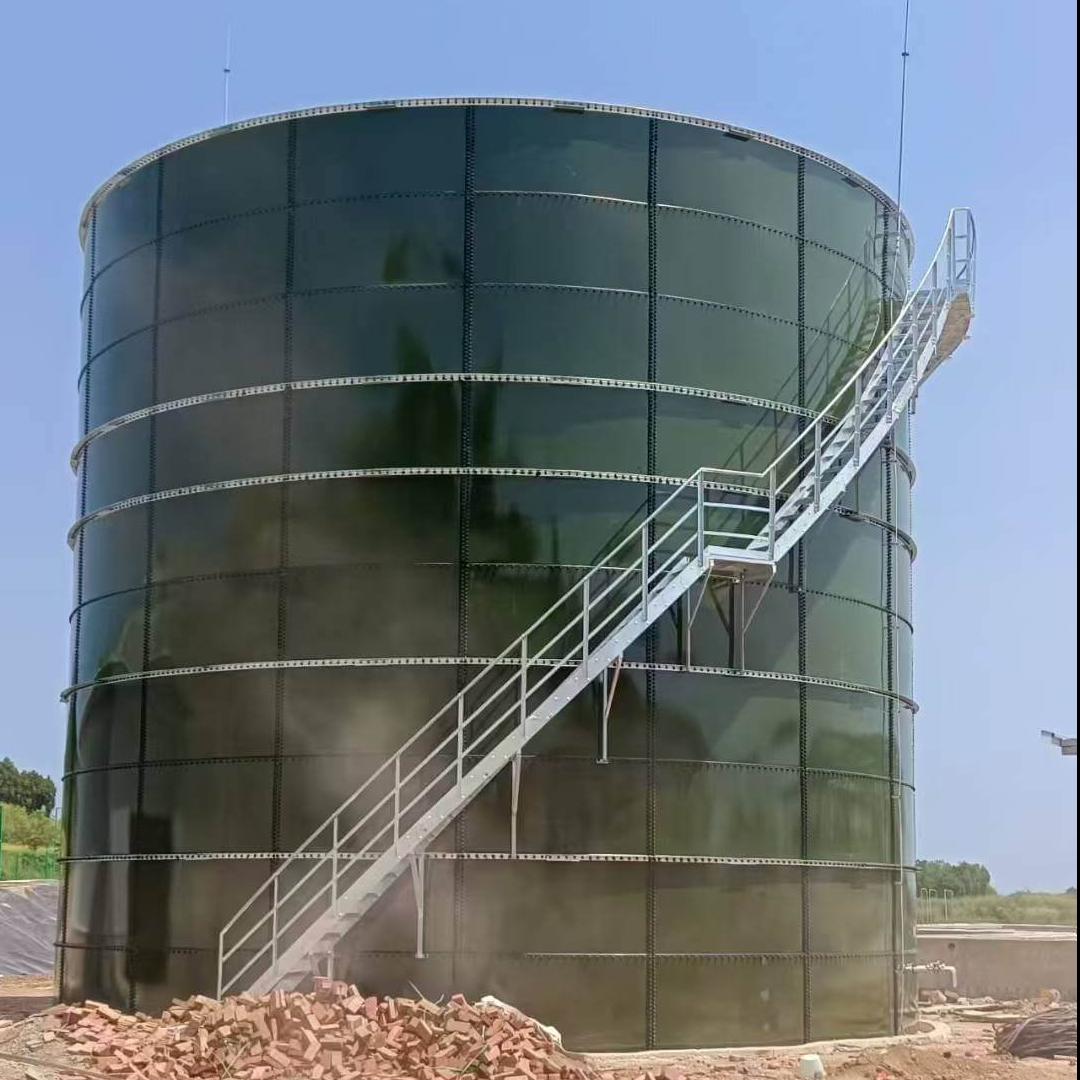
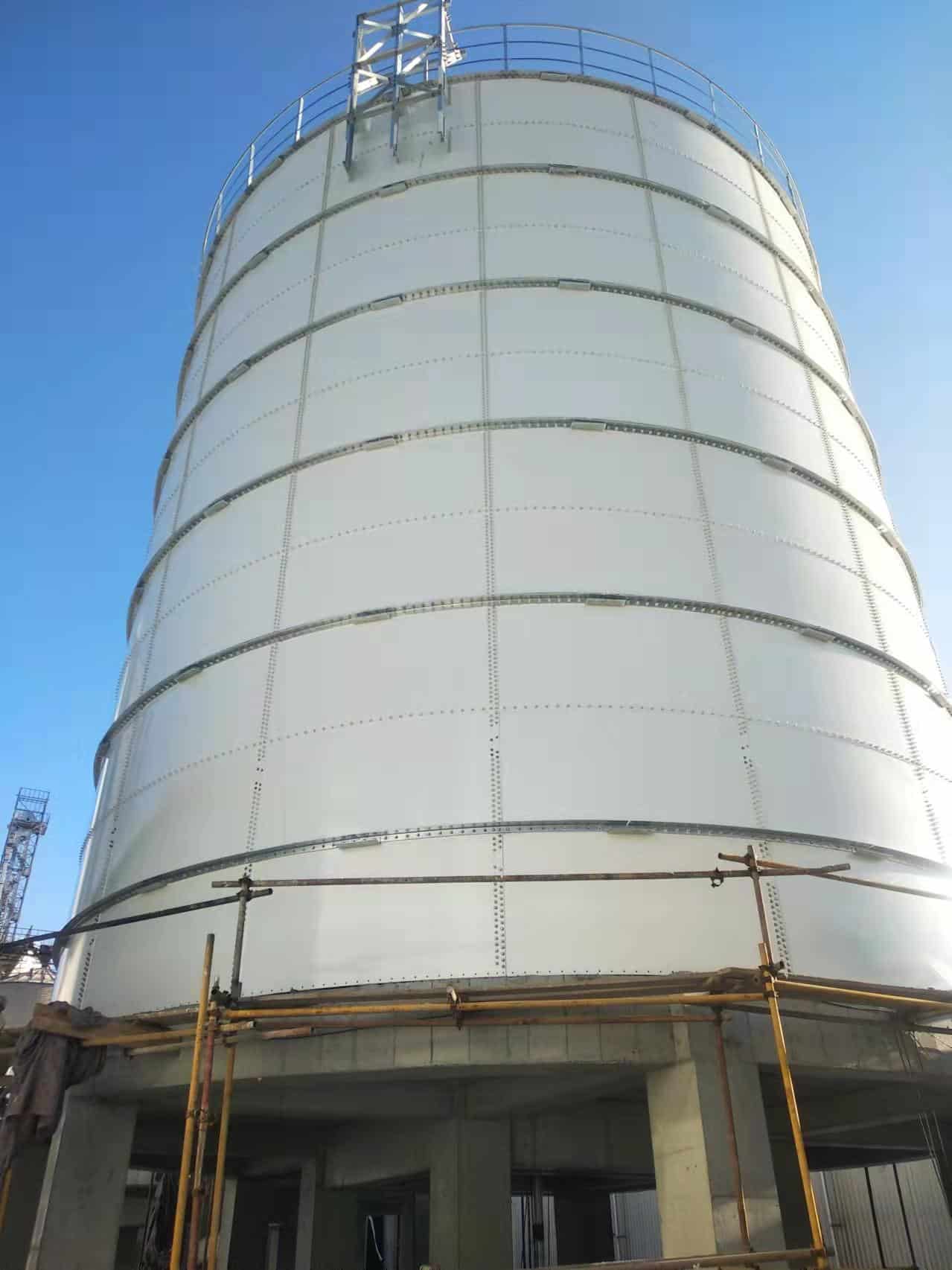
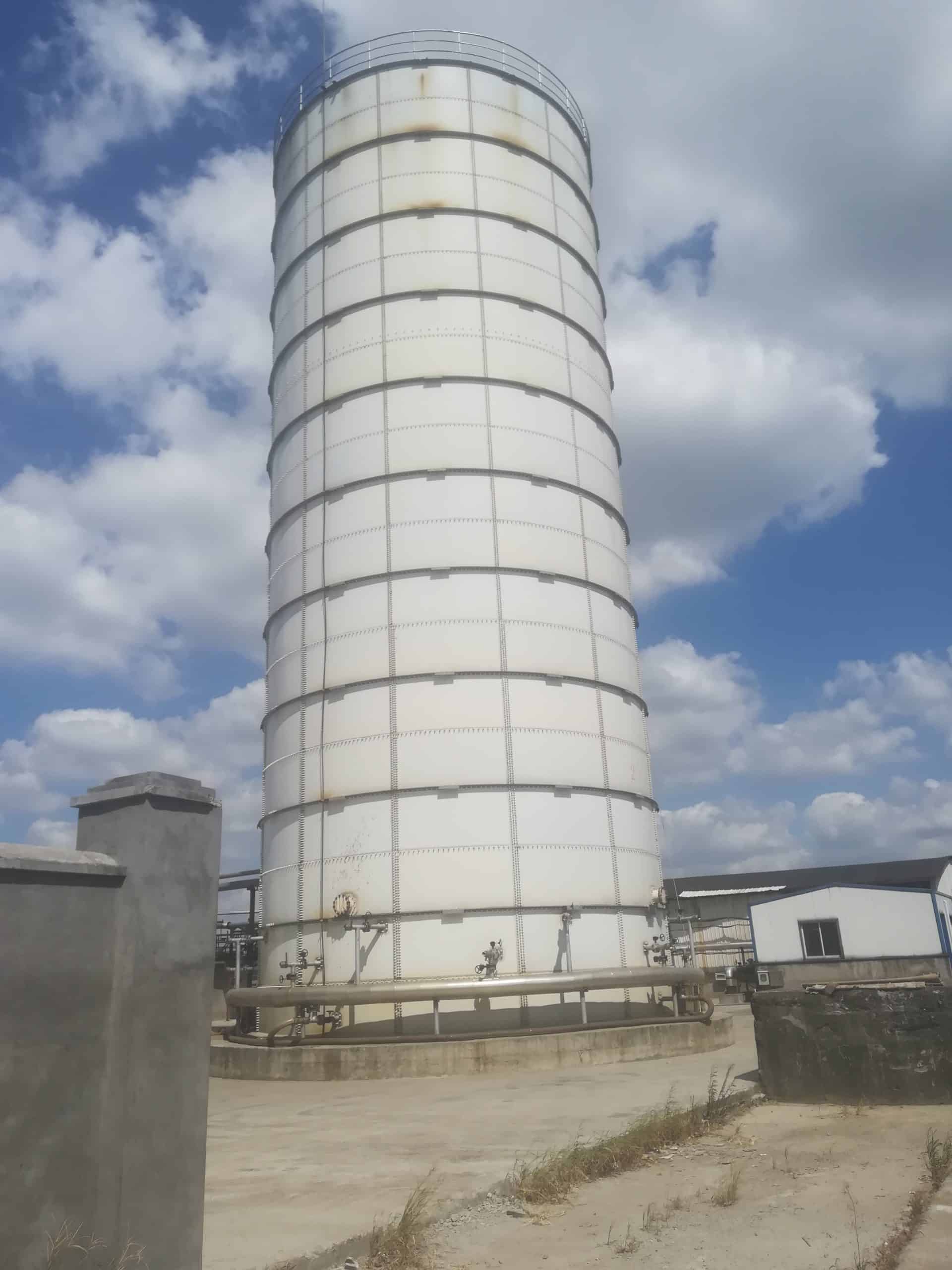
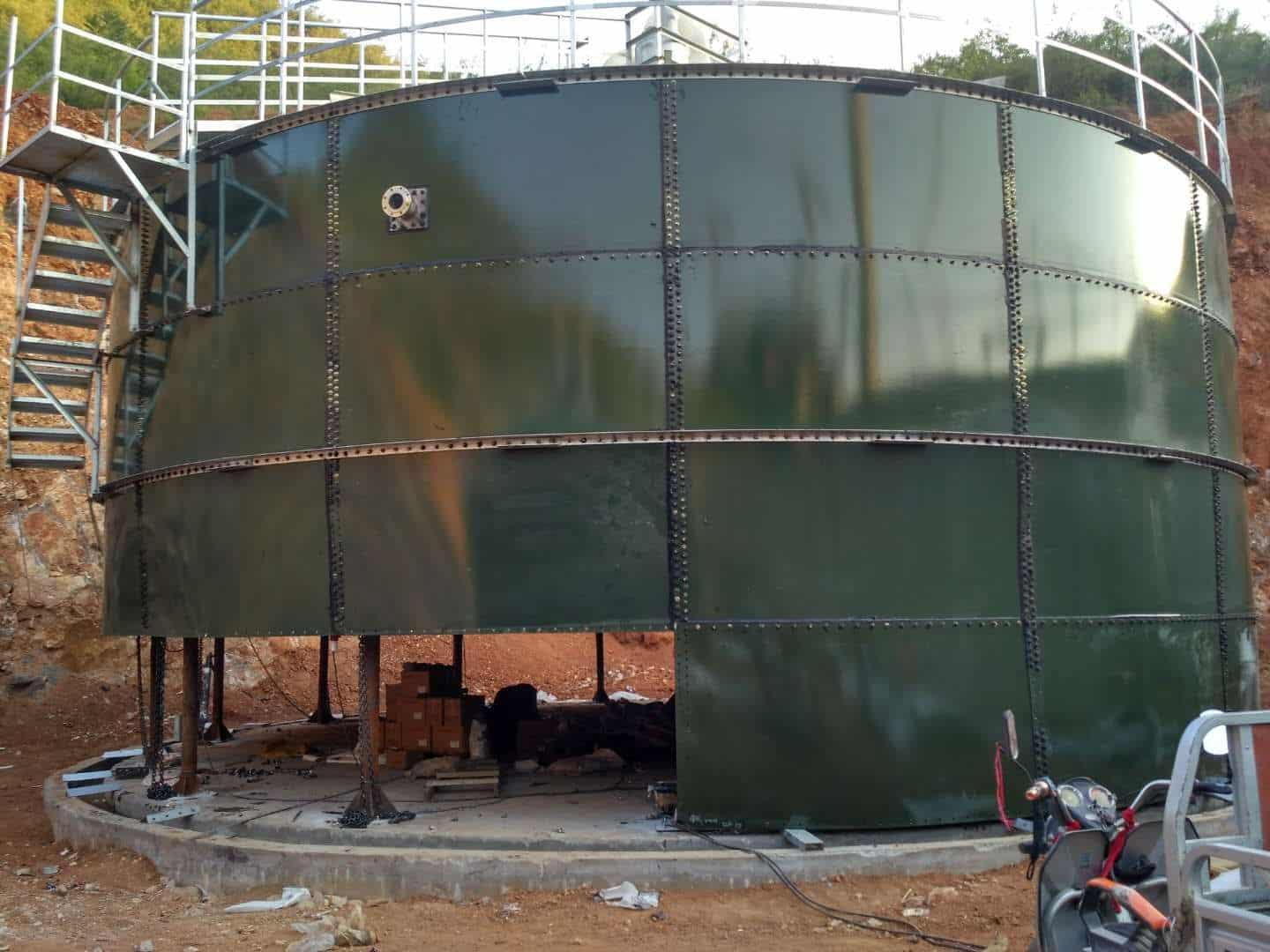
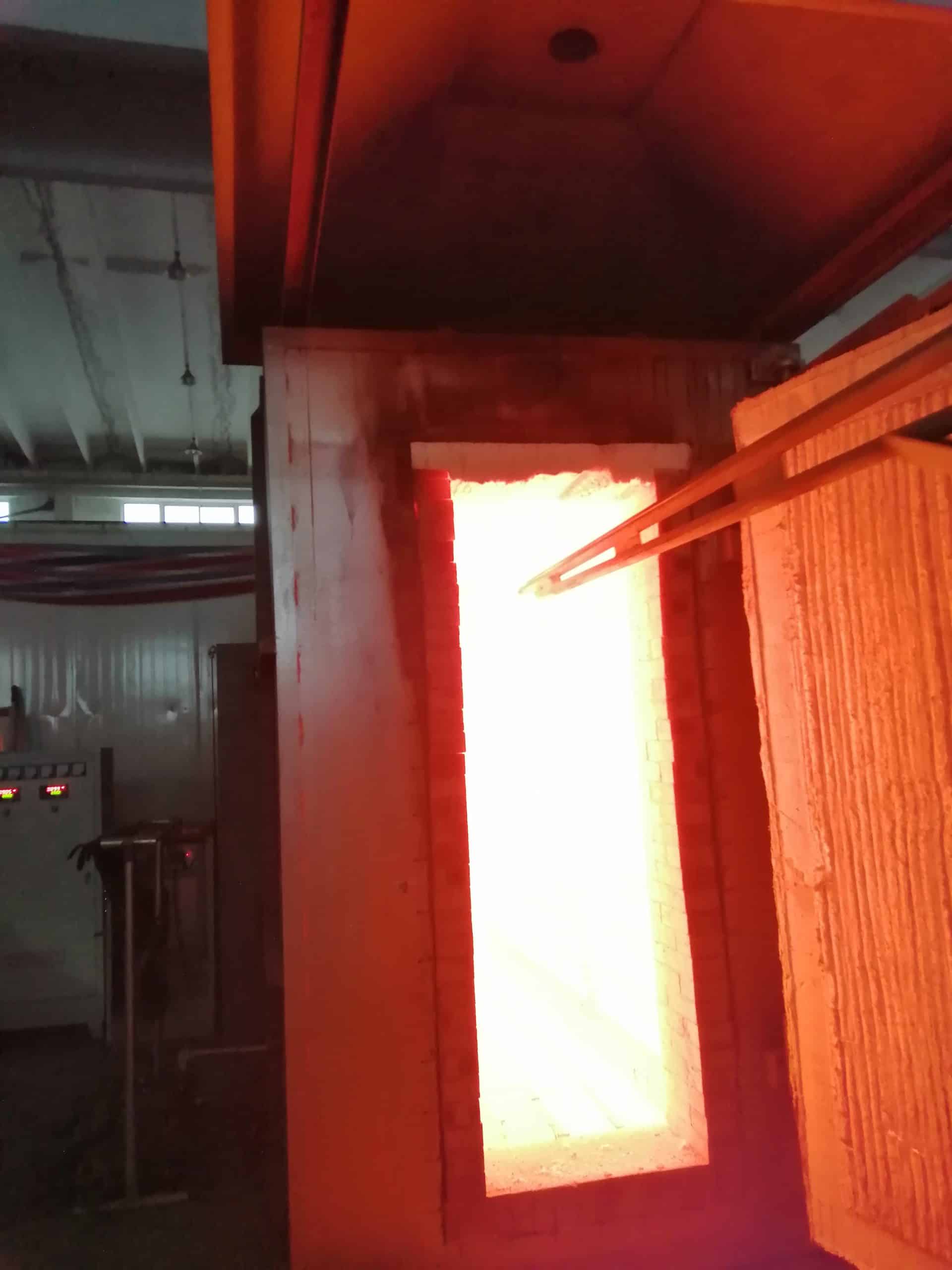
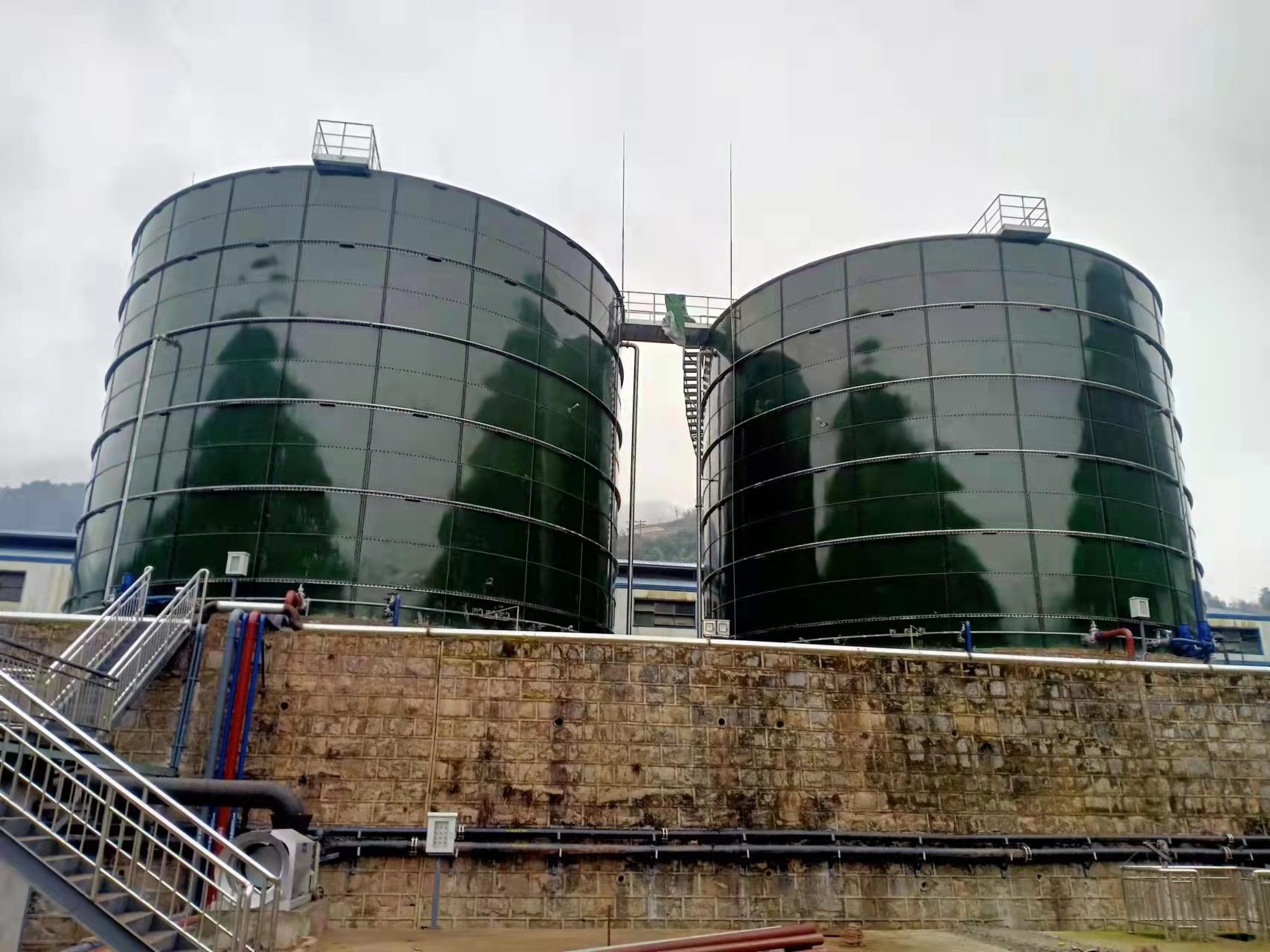
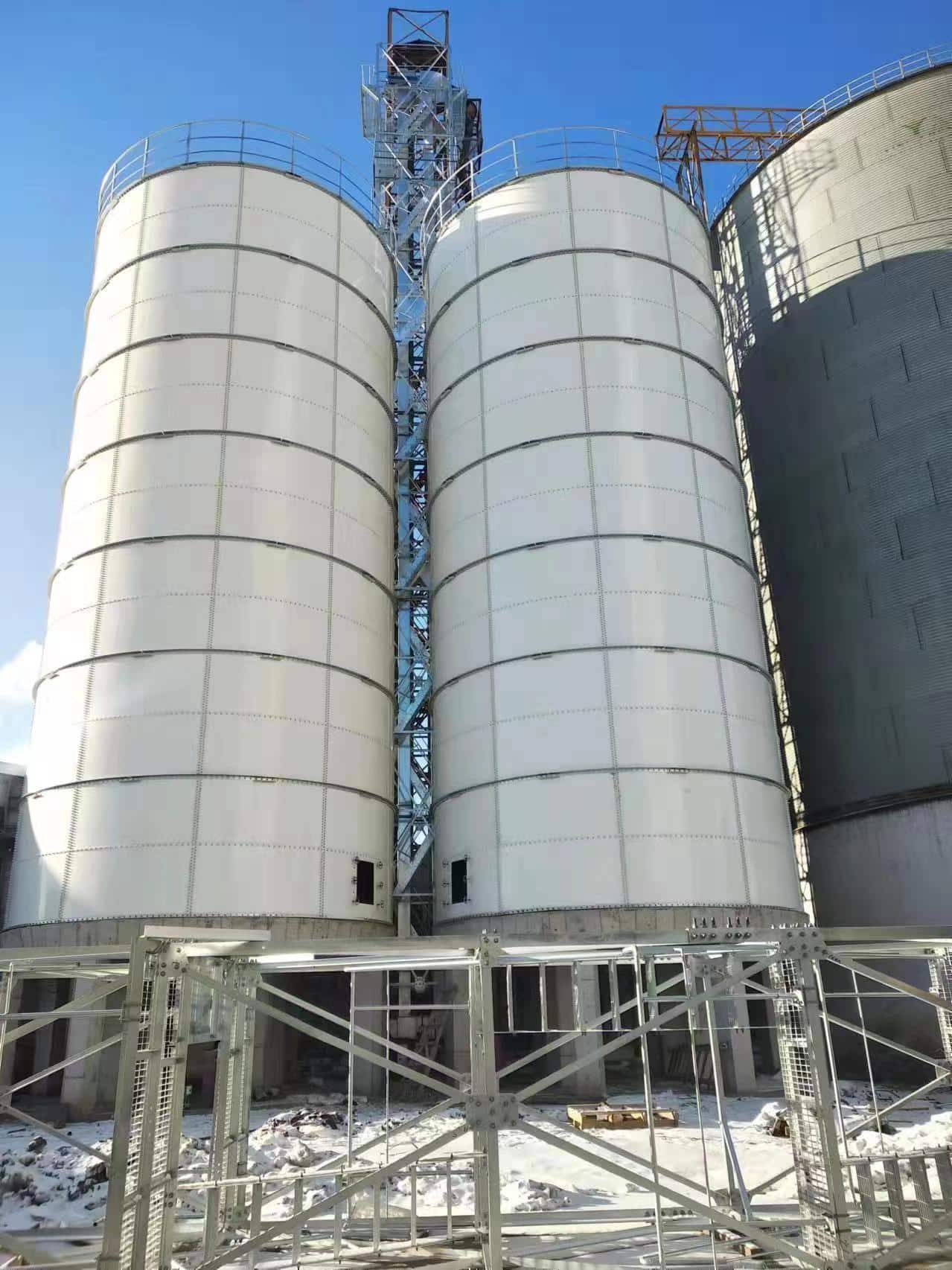
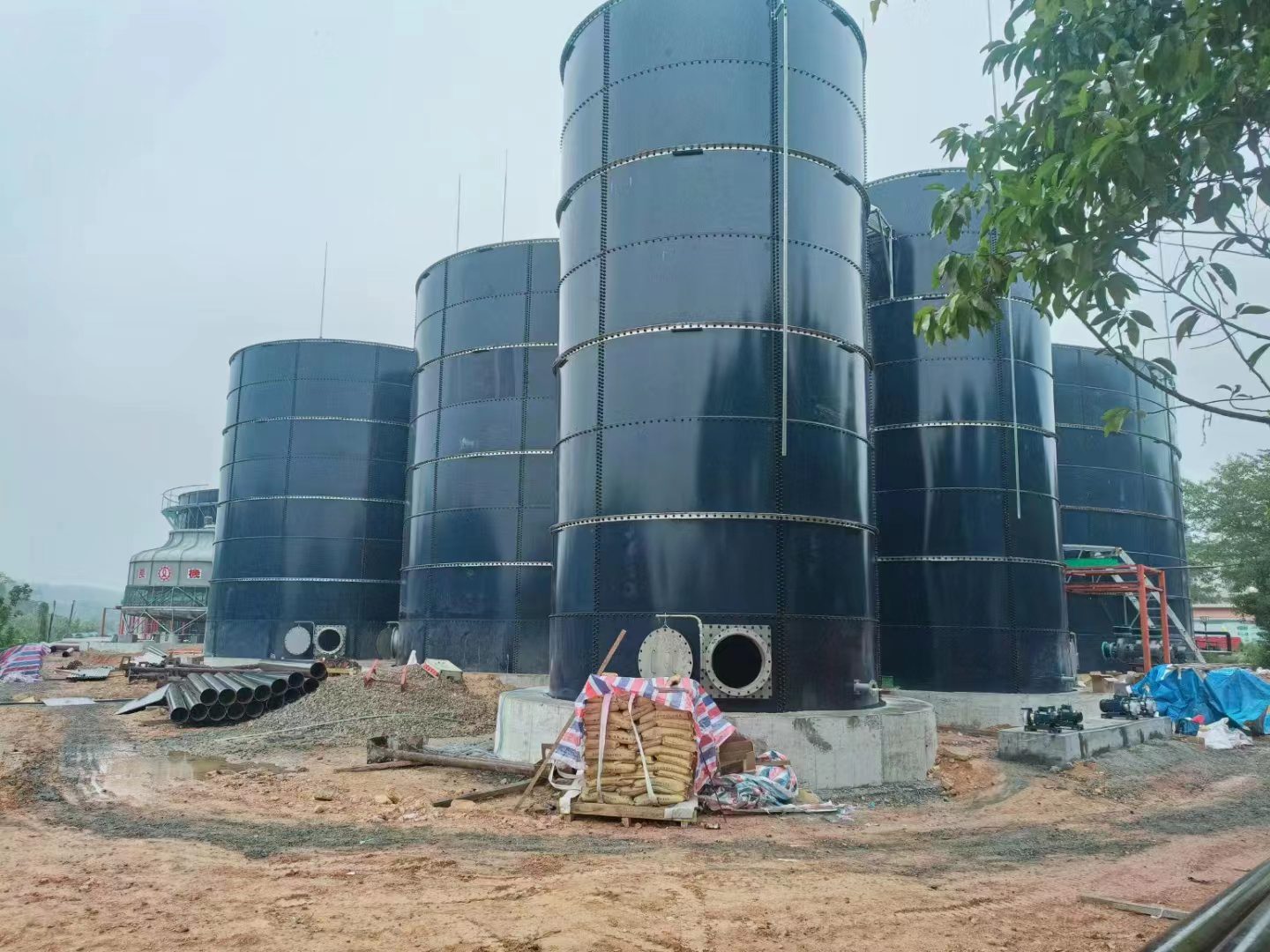
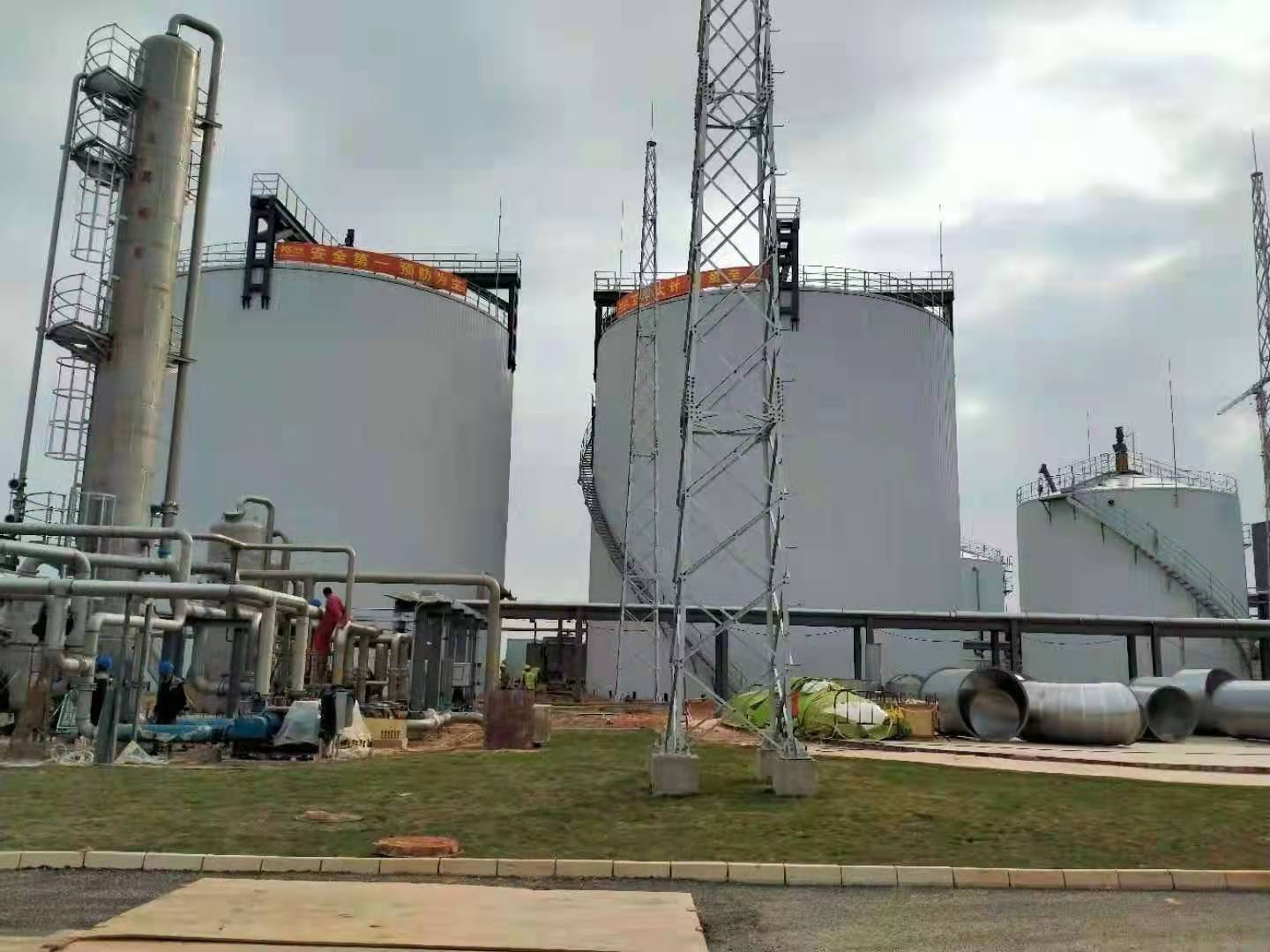
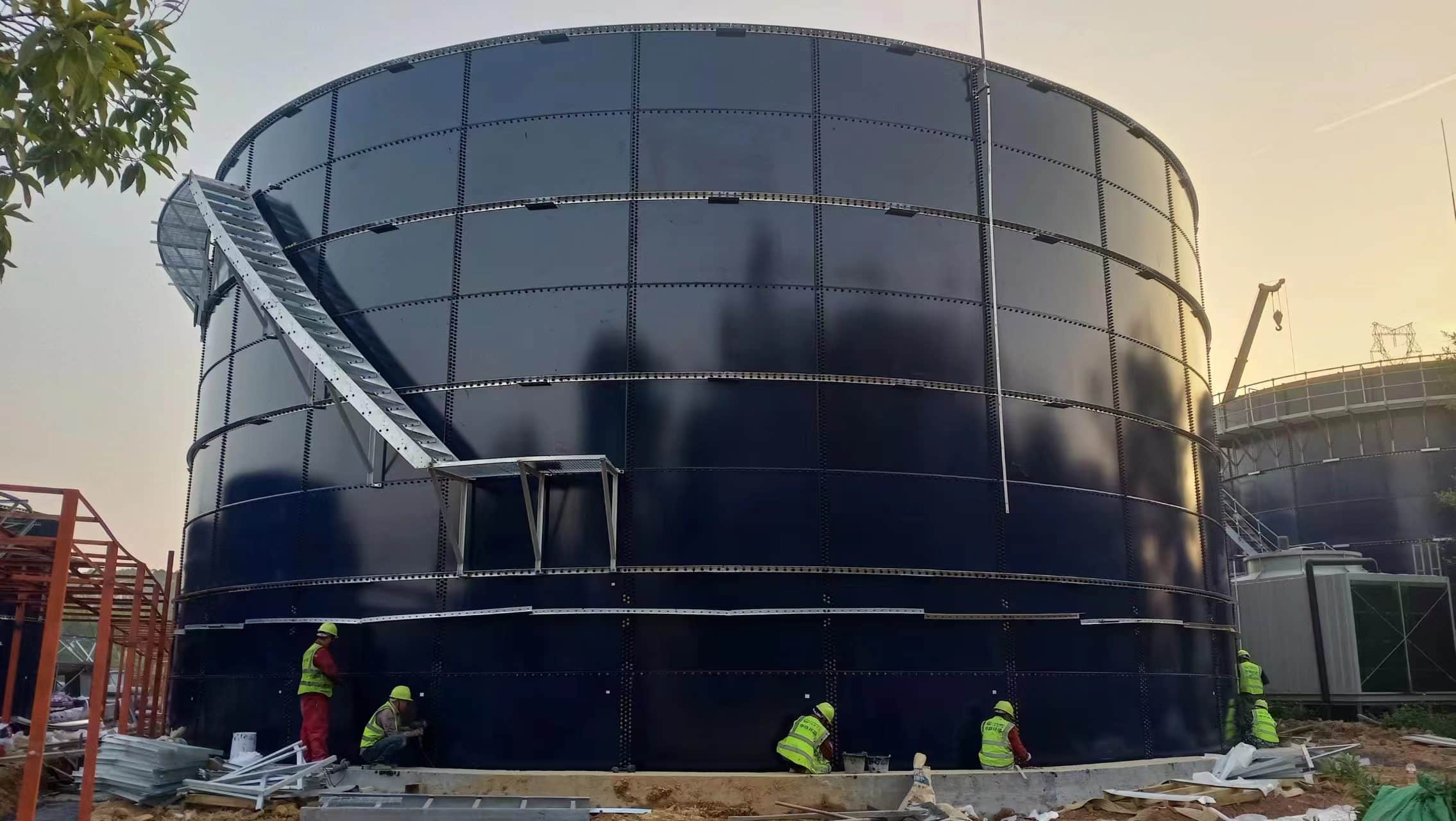
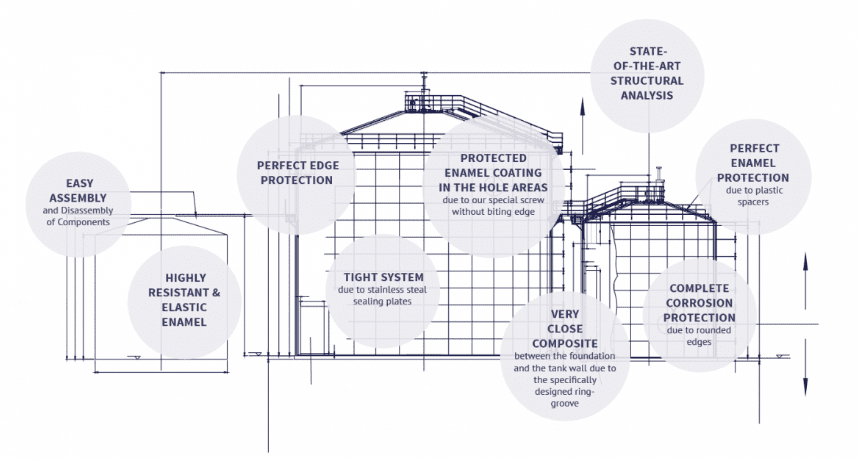
Enamelled steel tank, also known as Glass-Fused-to-Steel tank (GFS tank) and Glass-lined steel tank (GLS tank), contains the impermeable layers thanks to enamel protection coating. They are produced by firing at above 800°C, making the molten glass to react with the surface of the steel plate.
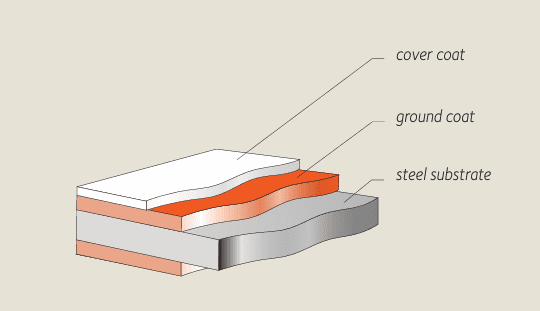
The enamelling process entails applying and firing one or more layers of enamel on both sides of a suitable steel substrate. This technique perfectly combines the strength and impact resistance of steel with the excellent corrosion resistance of glass.
Successful enamelling is characterised by:
- Good adhesion of enamel to steel
- Good surface appearance after firing of enamel
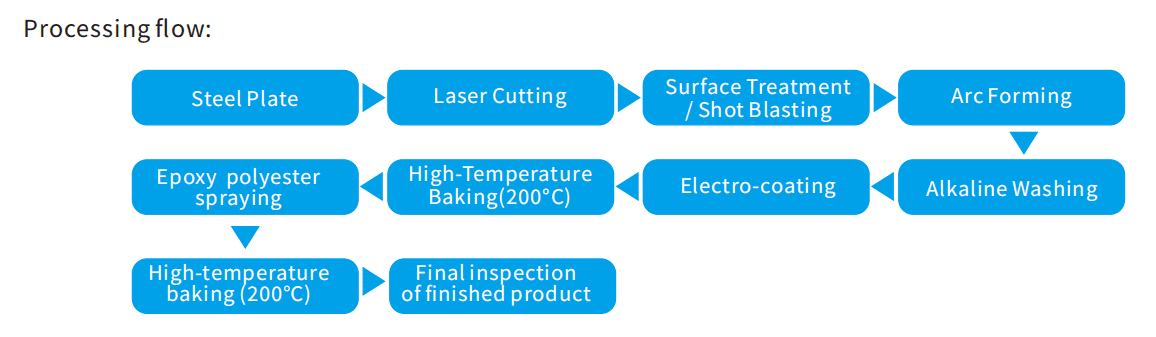
Manufacturing Process of Steel Plate with Enamel Coating
- Steel Plate – Raw material preparation.
- Laser Cutting – Cutting holes and shaping the plate.
- Surface Treatment / Shot Blasting – Cleaning and roughening the surface for better adhesion.
- Rolling / Arc Forming – Forming the steel plate into a cylindrical or curved shape.
- Alkaline Cleaning – Degreasing and removing contaminants to ensure a perfectly clean surface.
- First Enameling (Base Coat Spray) – Application of the ground coat.
- First Firing (Base Coat Firing at 900°C) – Fusing the ground coat to the steel substrate.
- Second Enameling (Cover Coat Spray) – Application of the top coat.
- Second Firing at 880℃
- Thickness Inspection (380 – 450 µm) – Quality control check for coating thickness.
- Second Firing (Cover Coat Firing at 880°C) – Fusing the top coat to achieve the final finish.
- Conductivity Test (1500V) – Final quality inspection to check for coating defects or pinholes.
Advantages:
- Corrosion resistance
- Impact and abrasion resistant
- Mechanical strength of the enamelled surface
- Resistance to heat and cold
- Thermal shock resistance
- Fire resistance
- Maintenance free
- Hygiene and ease of cleaning
- Wide choice of colour versions
Specifications of Glass-Fused-to-Steel Tanks
| Item | Specs |
| Coating Color | Standard color: dark blue and dark green or customized |
| Coating Thickness | 0.25~0.40mm |
| Acid and alkali resistance | Standard coating:PH3-11, special coating:PH1-14 |
| Adhesive force | 3450N/cm² |
| Elasticity | About 500N/mm |
| Hardness | 6.0N/mm |
| Life | ≥30years |
| Holiday test | 1500V |
| Permeability | Gas and liquids Impermeable |
Application Area:
Oil & Gas Field Produced Water
Various Industrial Effluents
Agricultural & Livestock Waste
Food & Beverage Wastewater
Pulp, Paper & Pharmaceutical Wastewater
Various Industrial Effluents
Agricultural & Livestock Waste
Food & Beverage Wastewater
Pulp, Paper & Pharmaceutical Wastewater
Tags:
Related Products
Quick Contact
Please leave your email or phone number, We will reply as soon as possible