

- Home
- Products
- Double Membrane Gas Holder
- Independent Double Membrane Gas Holder
ProductsPRODUCTS
Featured products

Contact Us
Description:
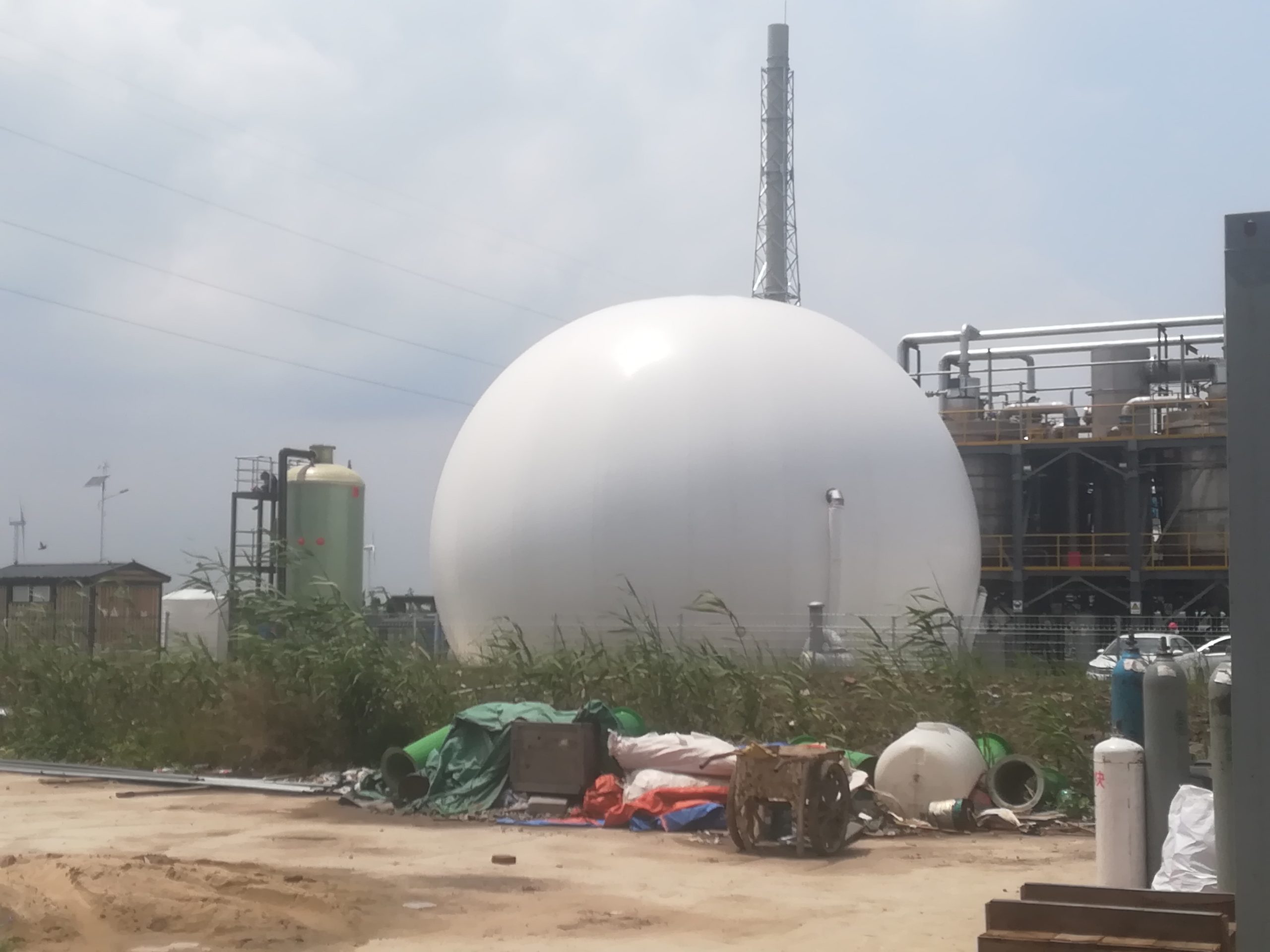
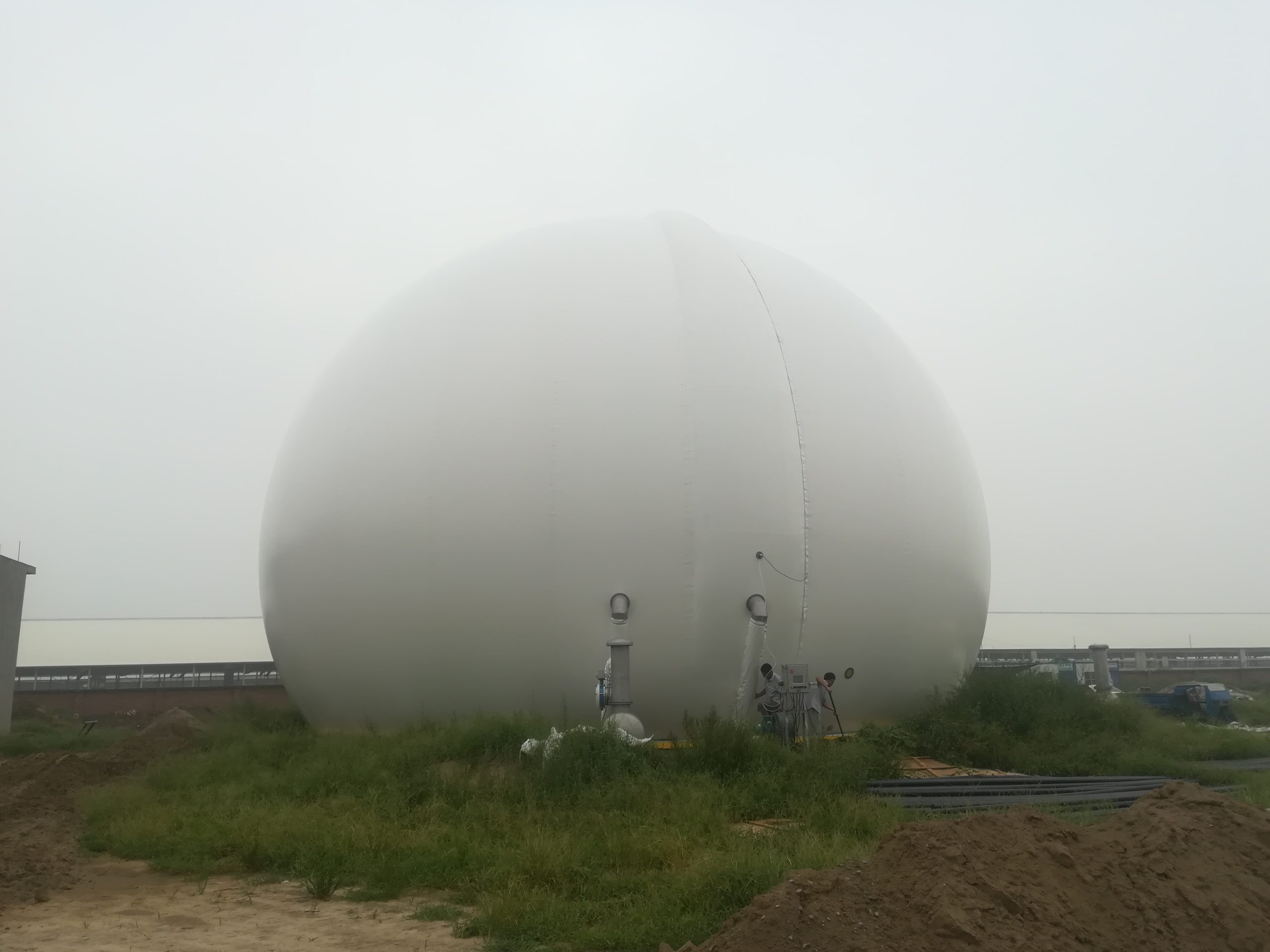
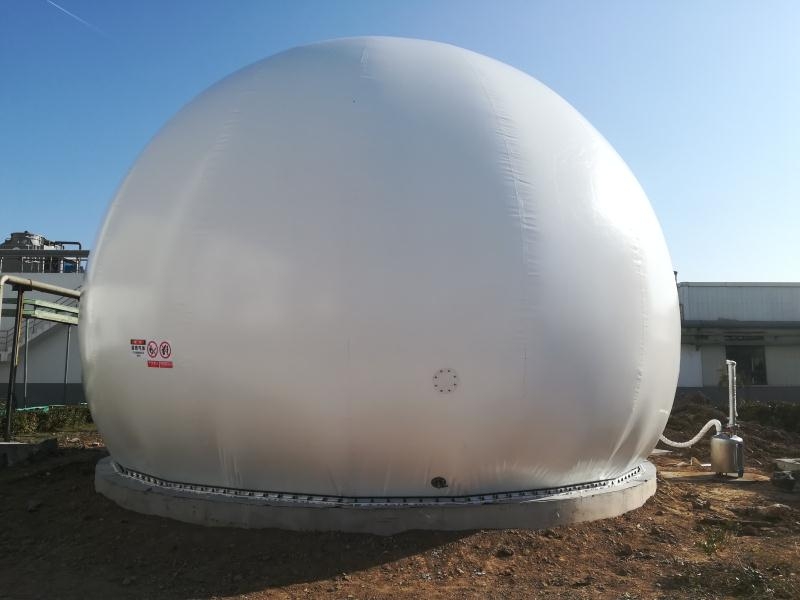
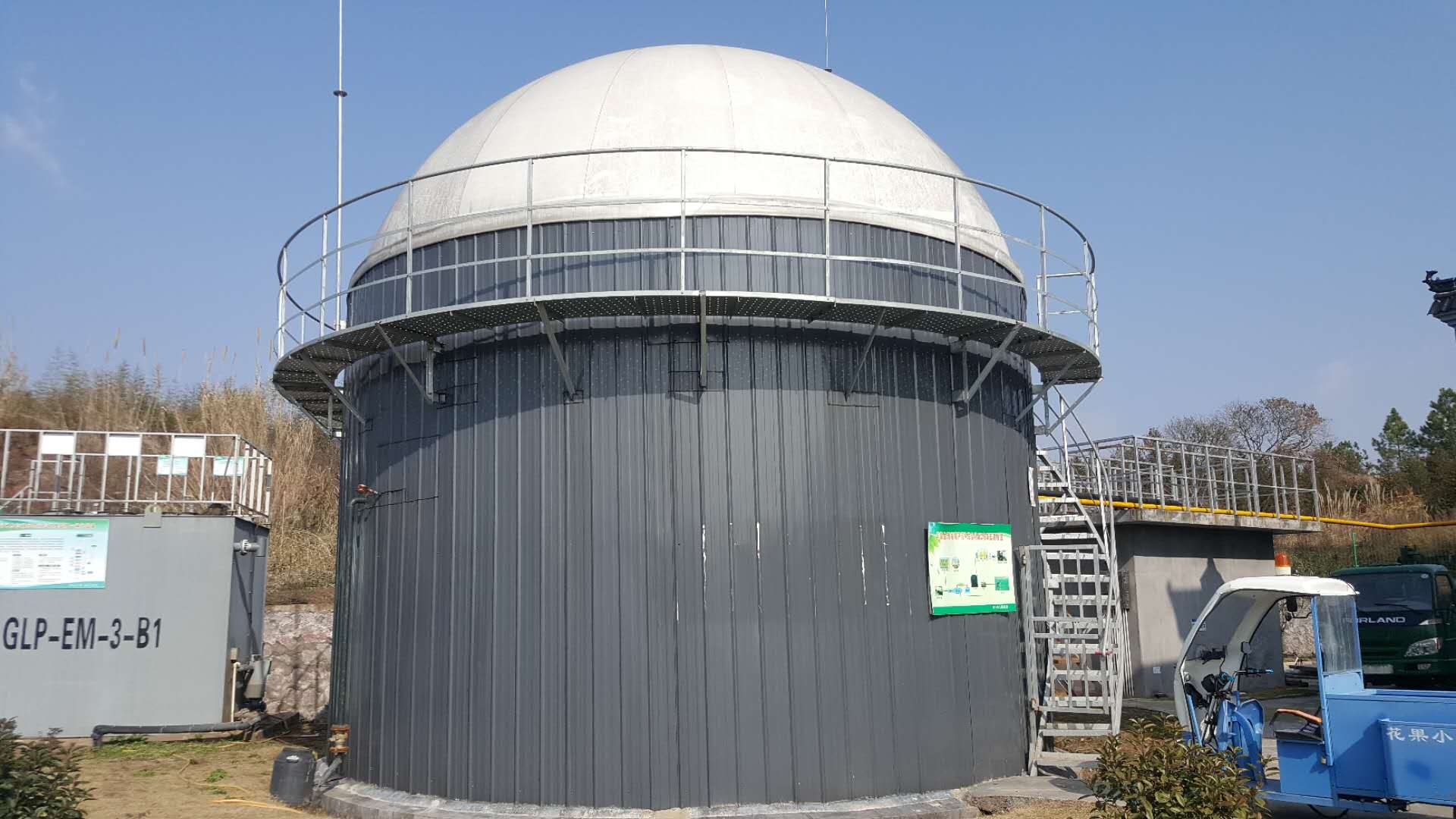
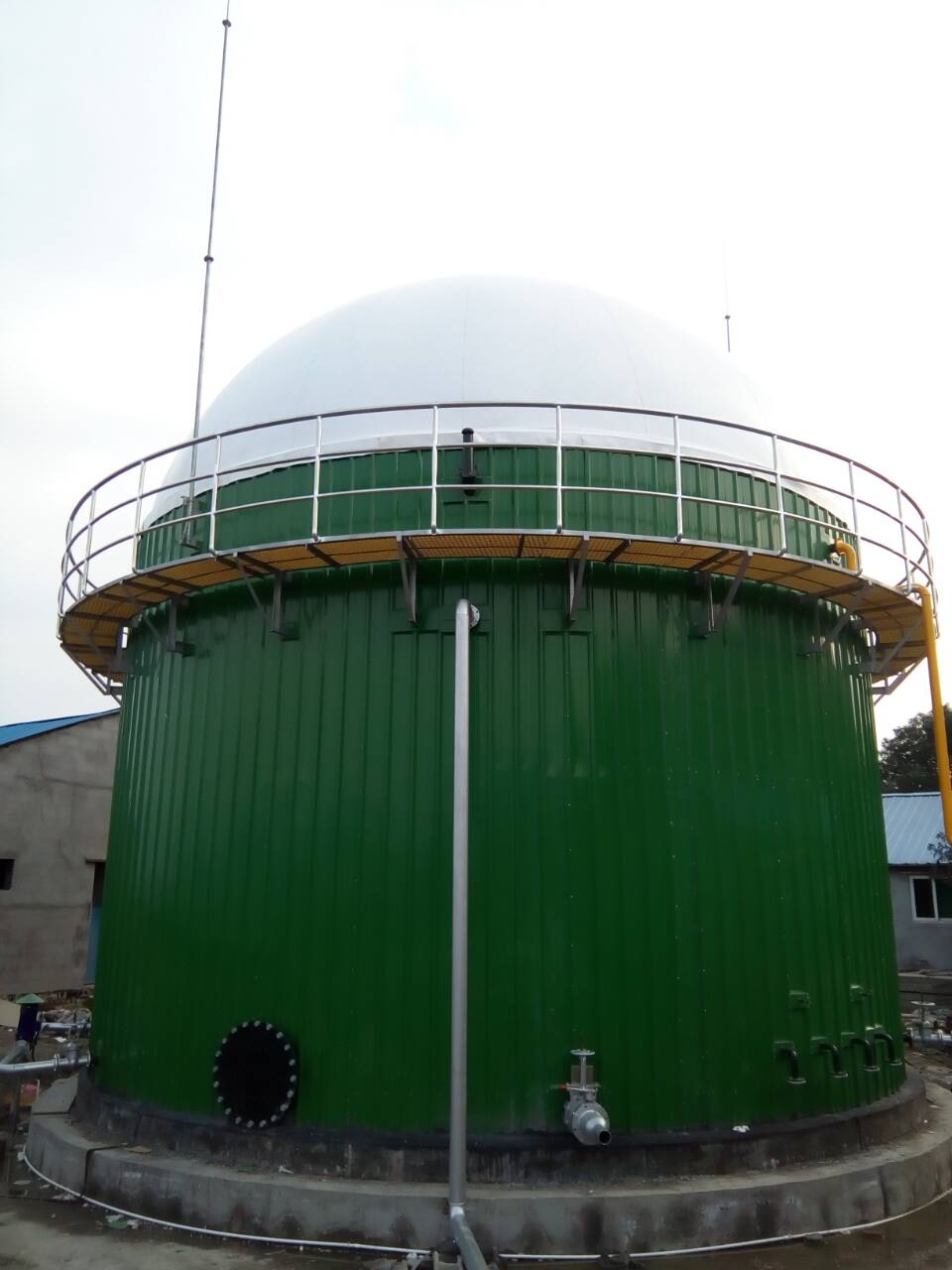
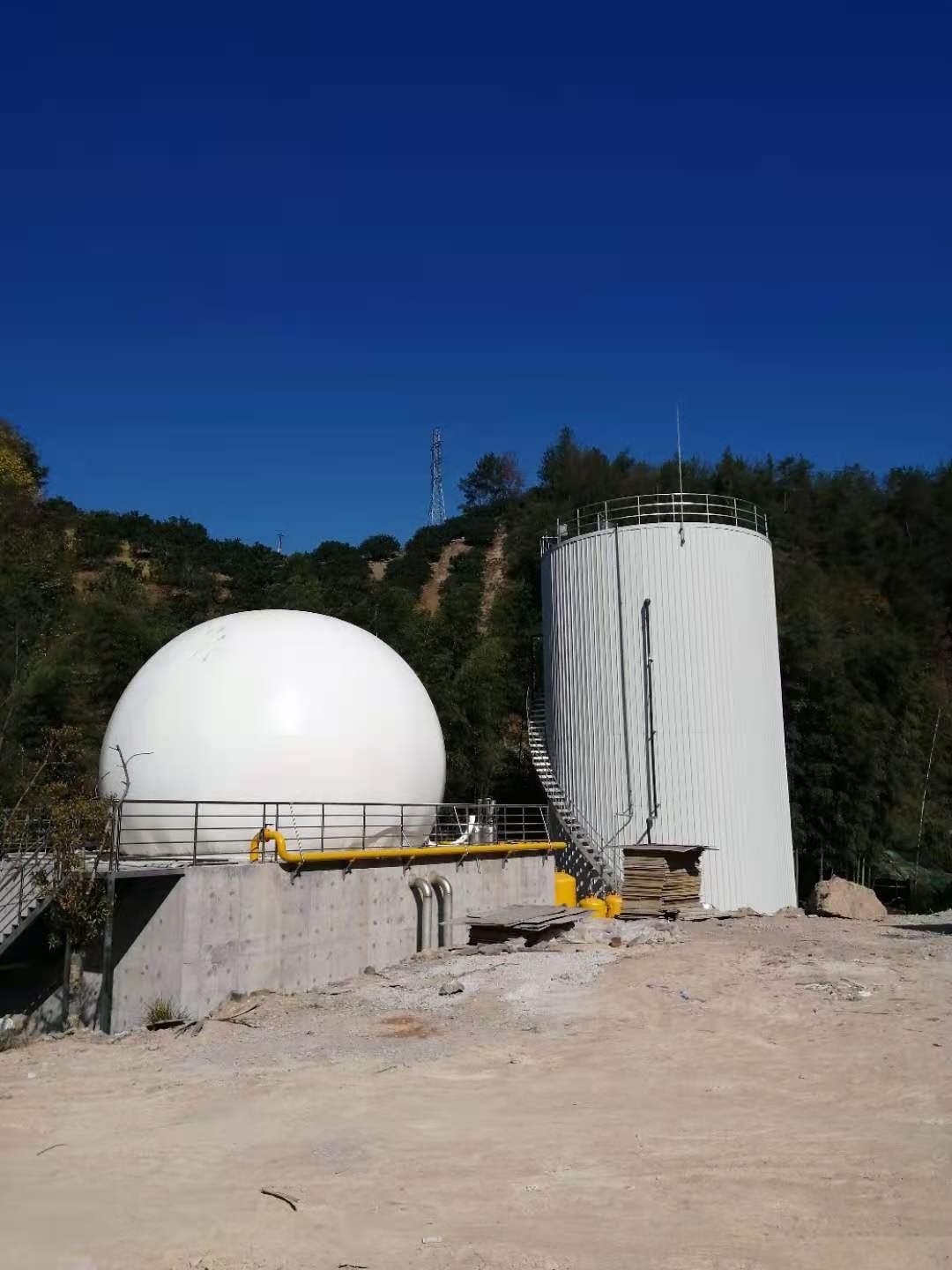
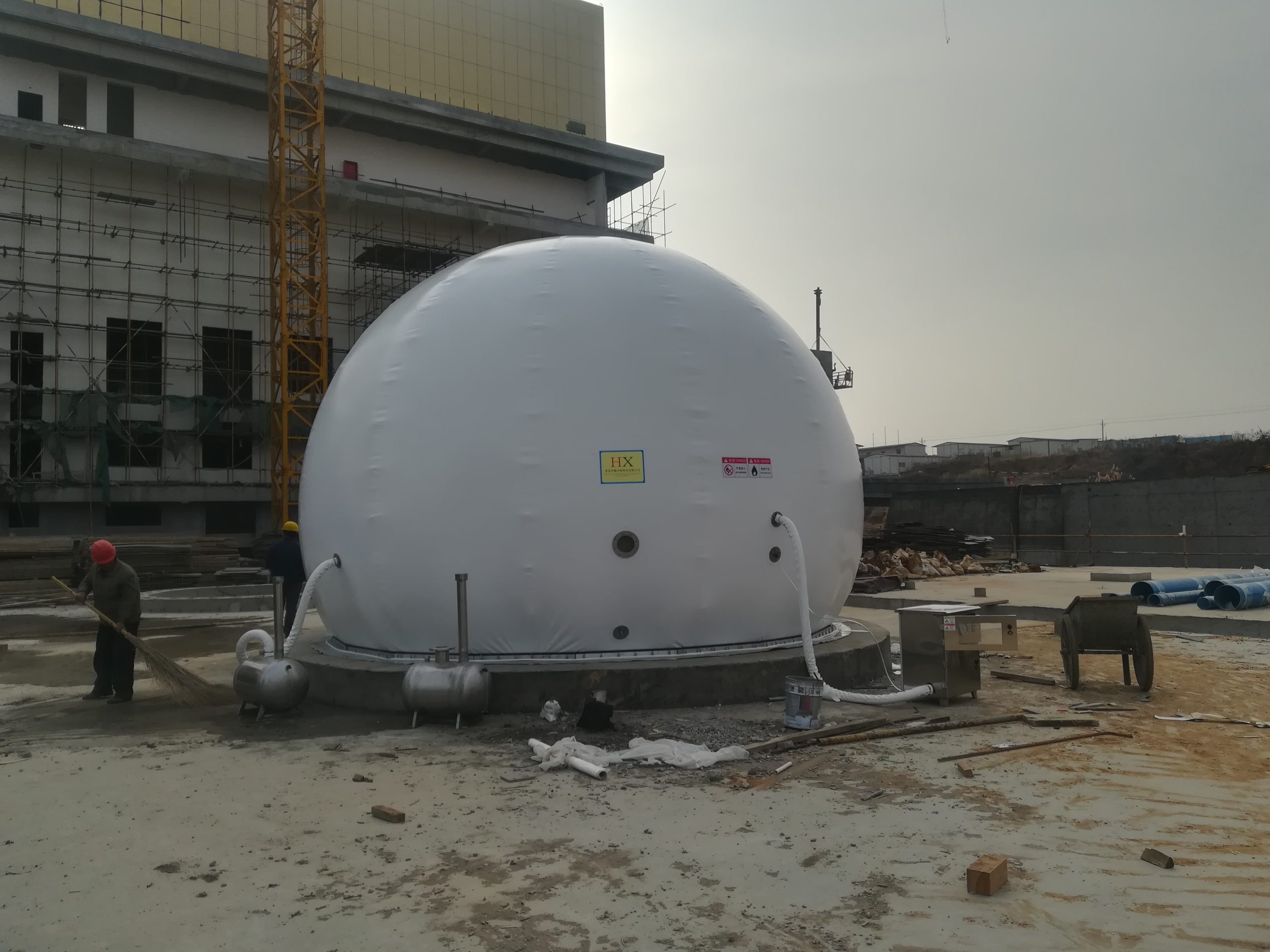
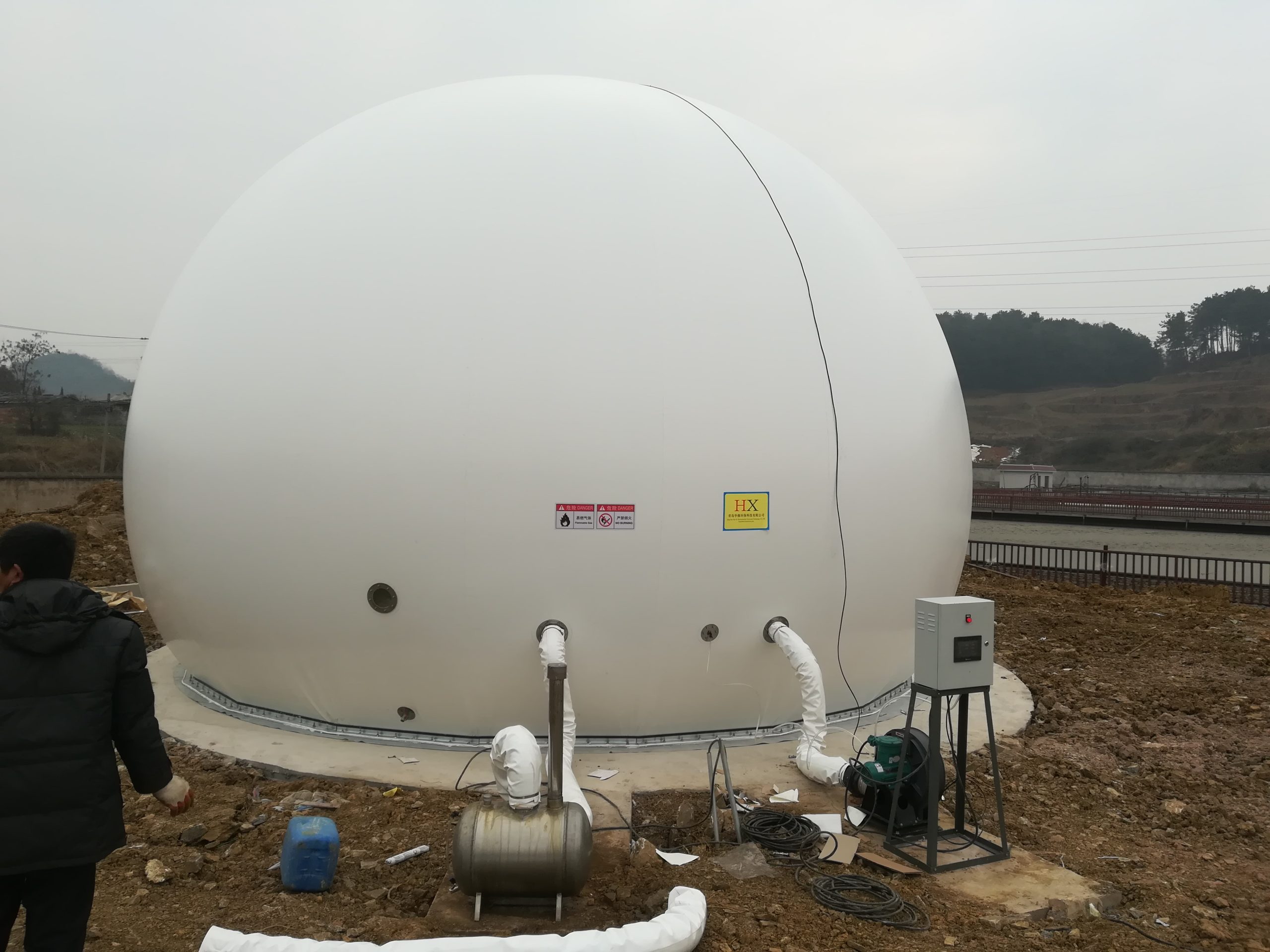
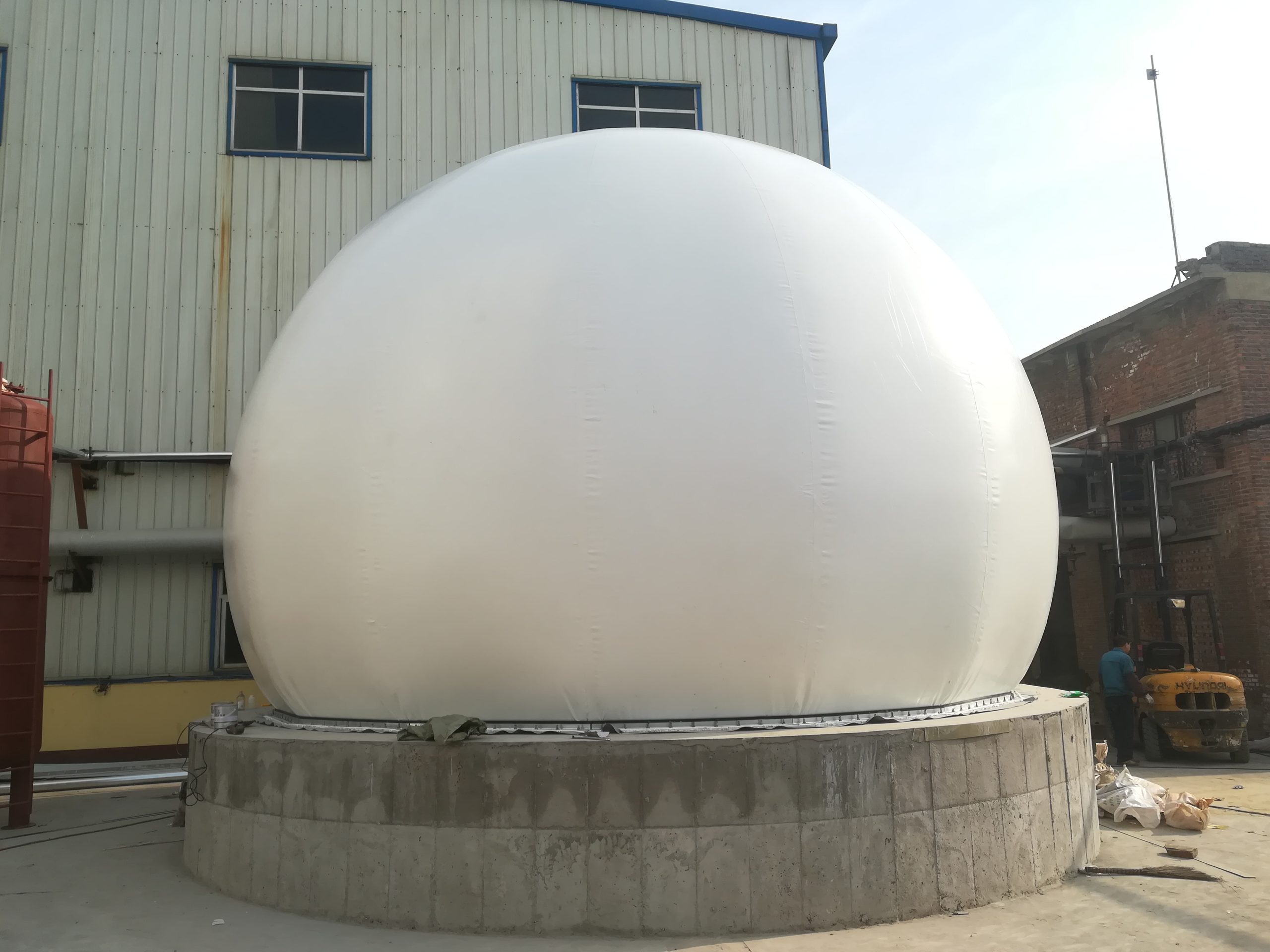
An Independent Double Membrane Gas Holder is an advanced, low-pressure, dry-seal storage solution for biogas, natural gas, and other gases. Constructed from flexible polymer materials, it utilizes a unique double-membrane structure (inner and outer membrane) and an automatic control system to form a sealed, constant-low-pressure gas storage space. Compared to traditional wet-type gas holders or rigid tanks, it offers significant advantages such as light weight, low cost, corrosion resistance, and rapid installation. It is the ideal choice for modern biogas projects, particularly in food waste, agricultural biogas, and industrial wastewater treatment applications, for biogas buffering, storage, and utilization.
Features:
Double-Membrane Structure:
Inner Membrane: Directly contacts the biogas. It is typically made of high-strength polyester fabric coated with PVDF or modified PVC, offering excellent resistance to biogas corrosion (H₂S), methane permeability, and aging. Its function is to seal and store the gas.
Outer Membrane: Forms the external shape of the holder. Made from similar material as the inner membrane, but with a greater focus on resistance to external elements like UV rays, weather, and abrasion. It forms a plenum with the inner membrane.
Constant Pressure Output System:
The plenum between the inner and outer membranes is inflated with constant low-pressure air (supplied by a small blower). This air pressure acts as a “regulator,” maintaining a constant, low operating pressure (typically 0.5 – 1.5 kPa) regardless of the biogas volume inside the inner membrane, ensuring stable gas delivery to downstream equipment (e.g., generators, boilers).
Integrated Safety Devices:
- Pressure Relief Valve: Automatically vents gas in case of over-pressurization, protecting the structure.
- Negative Pressure Preventer: Prevents collapse due to excessive gas withdrawal.
- Visual Indicator / Alarm System: Provides real-time gas level indication and triggers alarms at high/low levels.
Low Foundation Requirements:
The holder’s light weight eliminates the need for complex, deep foundations or extensive civil works. Typically, only a flat, reinforced concrete ring foundation is required, significantly reducing civil engineering costs and complexity.
Self-Cleaning Dome Design:
The dome shape of the outer membrane allows rainwater and dust to slide off naturally, maintaining a clean surface and avoiding issues like water seal freezing and evaporation common in traditional wet-type holders.
Advantages:
- Excellent Corrosion Resistance: The inner membrane material is specifically designed to withstand hydrogen sulfide (H₂S) and moisture in biogas, fundamentally solving the corrosion problem common in steel holders. It offers a long service life (typically 15-20 years) with very low maintenance costs.
- Stable, Constant-Pressure Gas Delivery: The constant-pressure system ensures that downstream generators or combustion equipment receive gas at a stable pressure, improving operational efficiency and stability, and preventing flame-outs or damage caused by pressure fluctuations.
- Rapid Installation & Low Overall Cost: The modular design allows for on-site installation in just a few days. Combined with simple foundation requirements and light weight, the total installed cost and project timeline are significantly lower than those of equivalent-sized steel gas holders.
- Fully Automatic Operation & Easy Maintenance: The entire system (blower, pressure control, safety alarms) can operate fully automatically, requiring no constant supervision. Routine maintenance only involves periodic checks of the blower and safety valves.
- Intuitive Gas Volume Monitoring: The inflation level of the outer membrane allows for direct visual assessment of the stored biogas volume, facilitating easy operational management.
- Safe and Reliable:
- Low-pressure operation minimizes the risk of physical explosion.
- The flexible material can tolerate some degree of foundation settlement or external impact.
- Multiple safety devices provide comprehensive system protection.
- High Flexibility: Capacity and diameter can be flexibly designed according to project site conditions and gas production, offering strong adaptability.
Application:
The Independent Double Membrane Gas Holder is widely used in all scenarios where biogas is produced and needs storage:
- Agricultural Biogas Plants: Stores biogas produced from the anaerobic digestion of livestock manure (e.g., dairy farms, pig farms), serving as a buffer for cooking fuel or biogas power generation.
- Food Waste Treatment Projects: Used in anaerobic digestion plants for food waste to store the high-quality biogas produced, enabling subsequent upgrading to Bio-CNG or direct electricity generation for the grid.
- Industrial Wastewater Treatment: Stores biogas produced by anaerobic reactors (e.g., IC, UASB) in wastewater treatment plants for industries like food processing, brewing, and pharmaceuticals, enabling energy recovery.
- Municipal Sewage Sludge Digestion: Used in the sludge digestion stage of wastewater treatment plants to store biogas produced from sludge digestion, providing heat and power for the plant.
- Landfill Sites: Sometimes used for temporary storage of landfill gas collected from sites.
Summary:
With its outstanding corrosion resistance, constant pressure stability, cost-effectiveness, and convenient installation and maintenance, the Independent Double Membrane Gas Holder has become the mainstream gas storage technology in modern biogas projects. It is not only a crucial buffer unit connecting gas production and utilization but also a core component ensuring the stable, efficient, and safe operation of the entire biogas system.
Related Products
Quick Contact
Please leave your email or phone number, We will reply as soon as possible