

ProductsPRODUCTS
Featured products

Contact Us
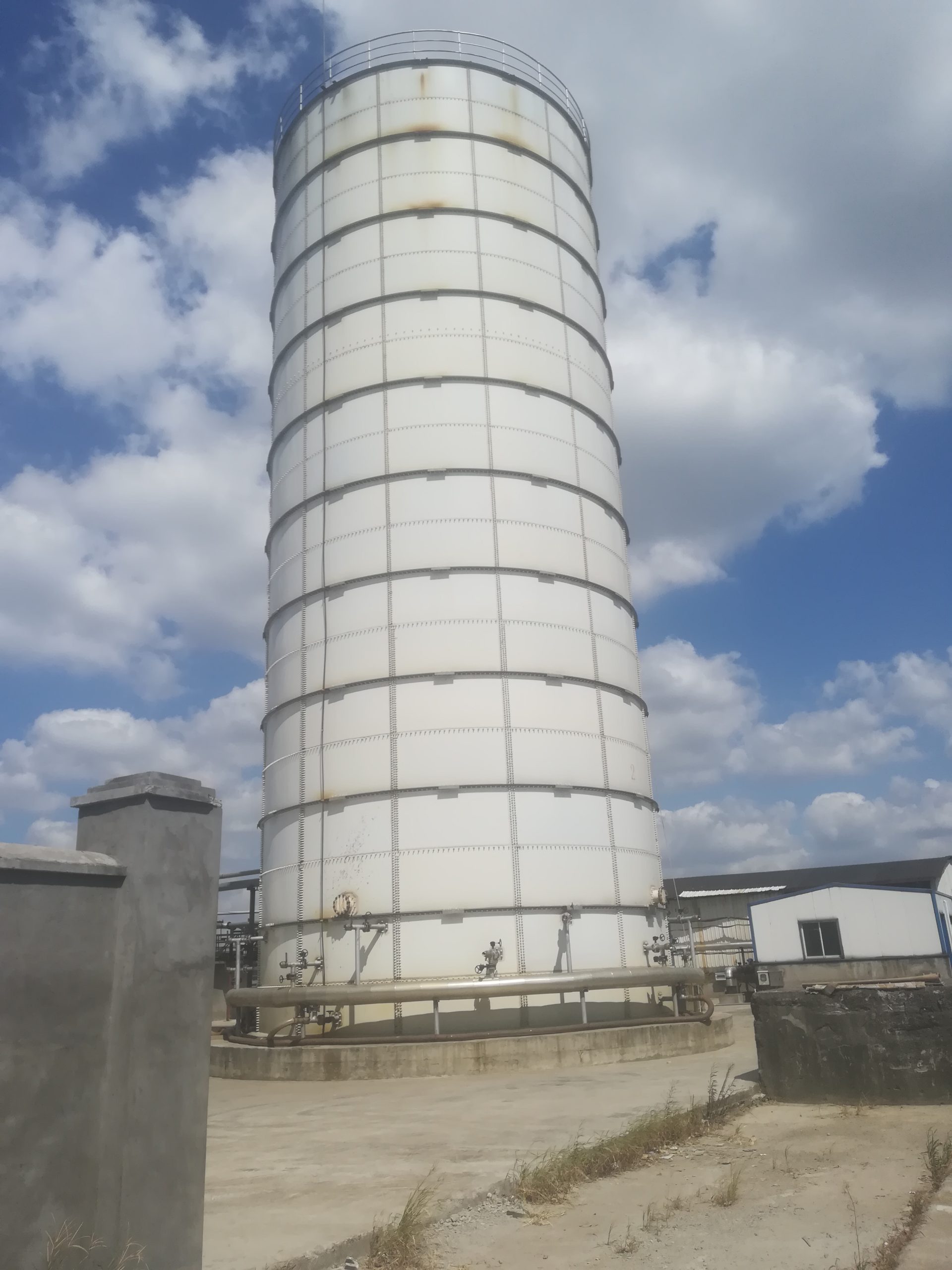
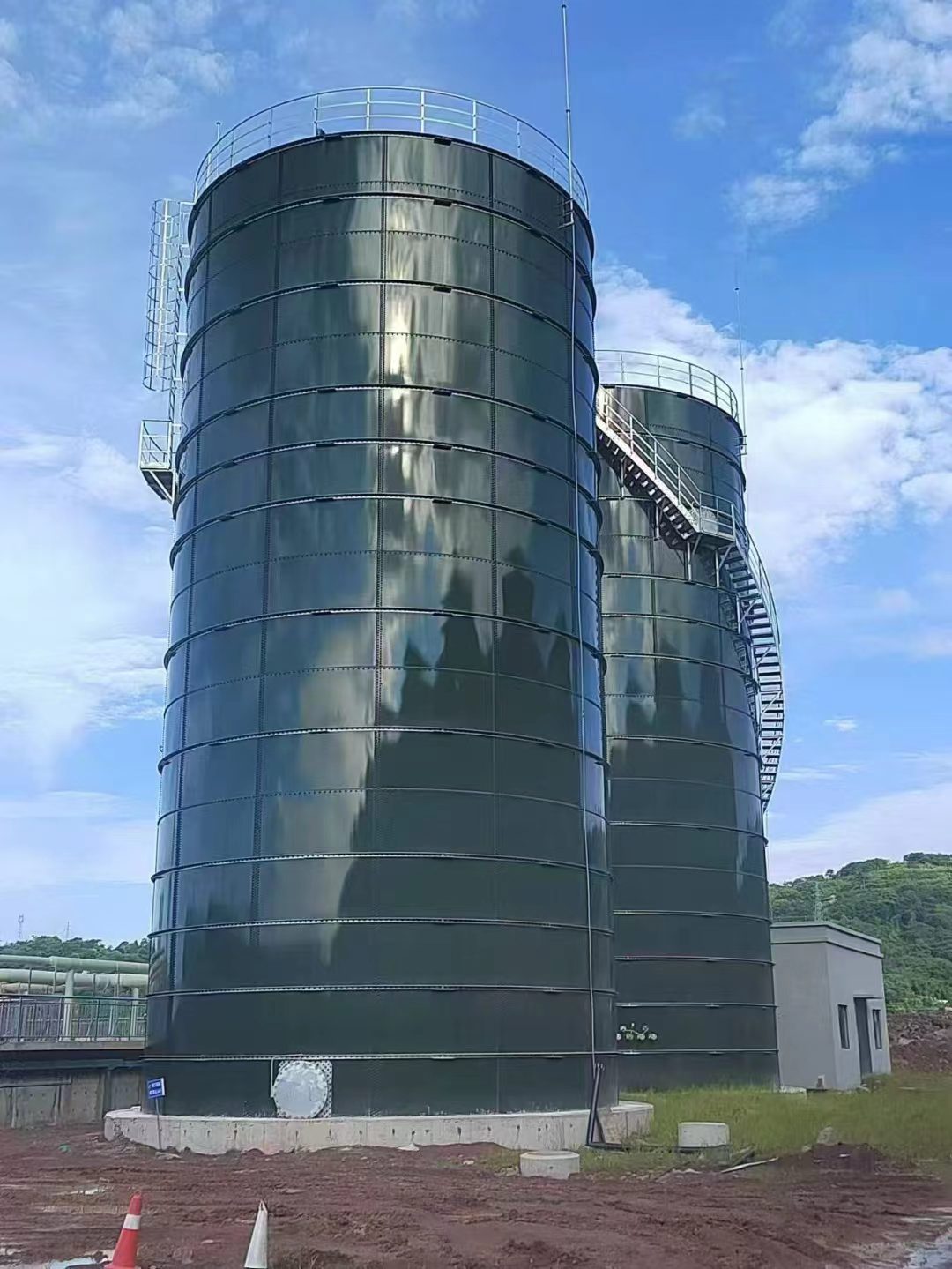
IC Reactor
Internal Circulation Anaerobic Reactor
1 Basic Concept
The IC reactor is essentially composed of ……
Internal Circulation Anaerobic Reactor
1 Basic Concept
The IC reactor is essentially composed of two UASB reactors connected in series. It consists of an upper and a lower reaction chamber. Biogas produced in the first, lower UASB reactor serves as the internal driving force for liquid lifting. This creates a density difference between the mixed liquor in the riser and the downcomer, thereby establishing internal circulation of the mixed liquor from the bottom section. This process provides enhanced pre-treatment for the wastewater.
The second, upper UASB reactor then provides subsequent treatment to the wastewater, ensuring the final effluent meets the desired discharge standards.
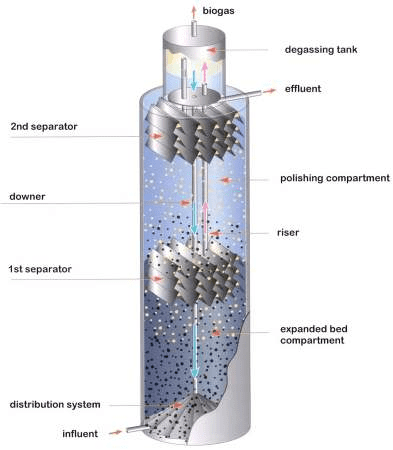
2 Basic Structure
3 Working principle:
Feedwater enters the first reaction chamber from the bottom of the reactor via a pump and mixes uniformly with the anaerobic granular sludge in this chamber. Most of the organic matter in the wastewater is converted into biogas here. The biogas produced is collected by the gas collection hood in the first reaction chamber and rises along the riser pipe. As the biogas rises, it lifts the mixed liquor from the first reaction chamber to the gas-liquid separator located at the top of the reactor. The separated biogas is discharged through the biogas outlet pipe at the top of the gas-liquid separator. The separated sludge-water mixture then flows back down the return pipe to the bottom of the first reaction chamber, where it thoroughly mixes with the granular sludge and incoming feedwater, achieving internal circulation of the mixed liquor in the first reaction chamber.
The name “IC reactor” is derived from this process.
The result of internal circulation is that the first reaction chamber not only maintains a high biomass concentration and long sludge age but also achieves a high upflow velocity. This keeps the granular sludge in a fully fluidized state, significantly enhancing the mass transfer rate and accelerating biochemical reaction rates, thereby greatly improving the organic matter removal efficiency in the first reaction chamber.
The wastewater treated in the first reaction chamber automatically enters the second reaction chamber for further treatment. Residual organic matter in the wastewater is further degraded by the anaerobic granular sludge in the second reaction chamber, resulting in improved purification and higher effluent quality. The biogas produced in the second reaction chamber is collected by its gas collection hood and directed to the gas-liquid separator via the biogas collection pipe.
The sludge-water mixture from the second reaction chamber then enters the settling zone for solid-liquid separation. The treated supernatant is discharged through the outlet pipe, while the settled sludge automatically returns to the second reaction chamber. This completes the entire treatment process of the wastewater in the IC reactor.
Tags:
Related Products
Quick Contact
Please leave your email or phone number, We will reply as soon as possible