

Featured products

Contact Us
Enamel vs. Epoxy Bolted Tanks: A Comparative Analysis for Your Project’s Optimal Solution
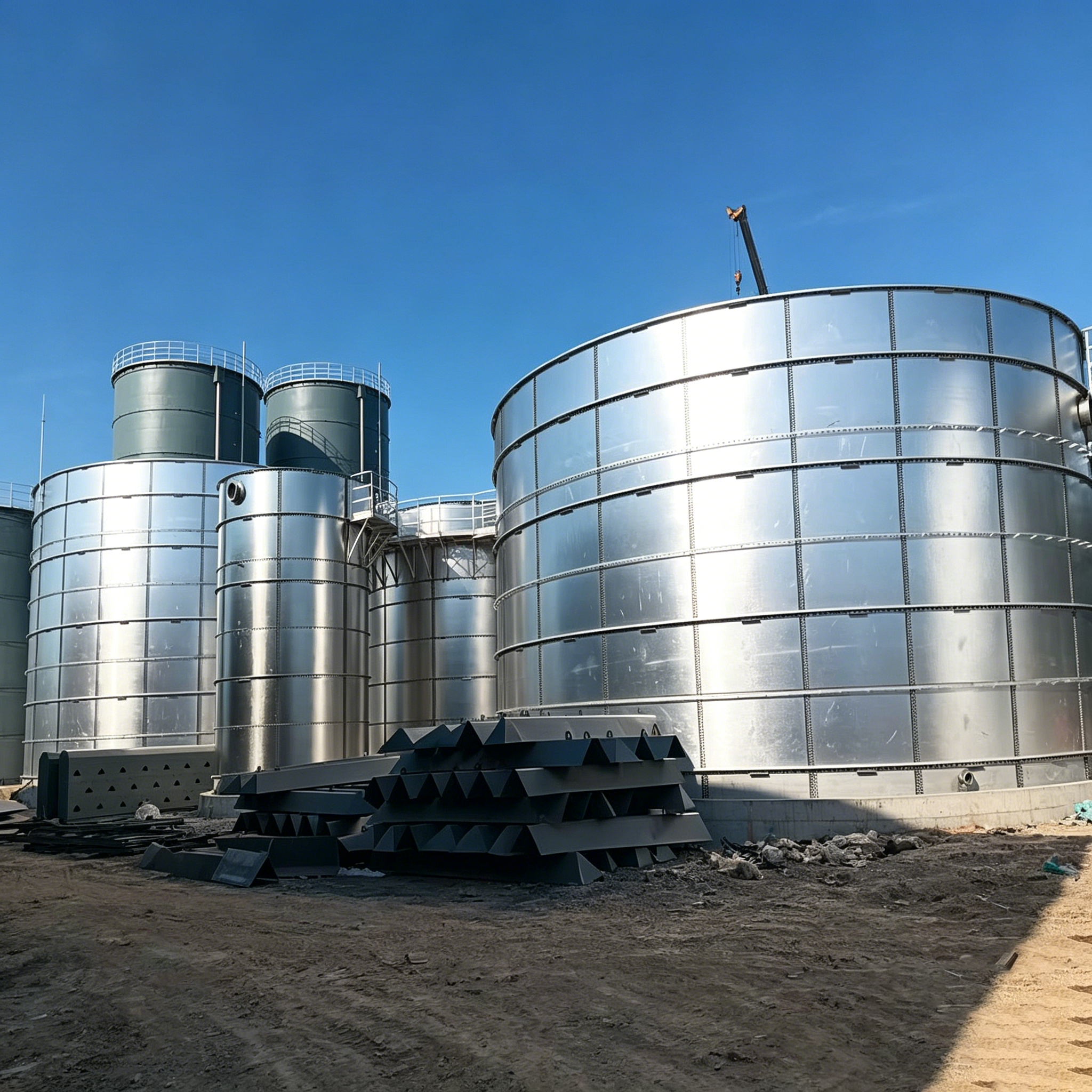
2025-11-08In the fields of industrial wastewater treatment, biogas projects, and various liquid storage applications, bolted tanks are highly favored for their quick installation and flexibility. Among them, enamel bolted tanks and epoxy bolted tanks are two mainstream high-performance anti-corrosion technologies, both achieved through high-temperature sintering processes. Understanding their fundamental differences, advantages, disadvantages, and suitable applications is crucial for ensuring long-term, stable operation and controlling the total lifecycle cost of a project.
I. Core Concepts: Two Different High-Temperature Sintering Protection Mechanisms
Enamel Bolted Tank
Concept: A high-quality steel substrate is permanently fused on both sides with an inorganic, glassy material called “enamel” through a high-temperature sintering process (typically exceeding 800°C). This forms a hard, chemically inert protective layer.
Protection Mechanism: Physical barrier + Chemical inertness. The enamel layer completely isolates the steel plate from corrosive media. It is extremely stable itself, offering an exceptionally long anti-aging service life.
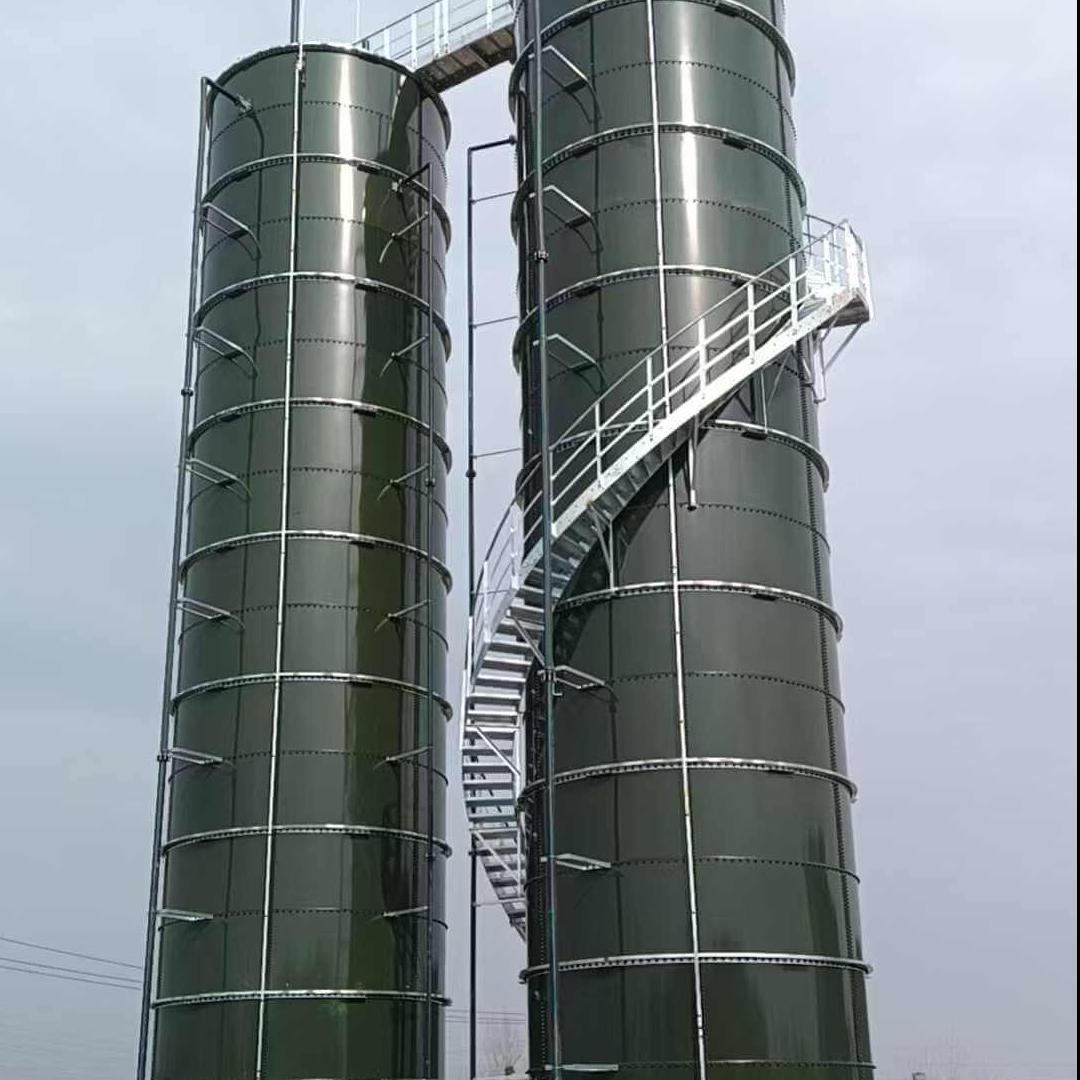
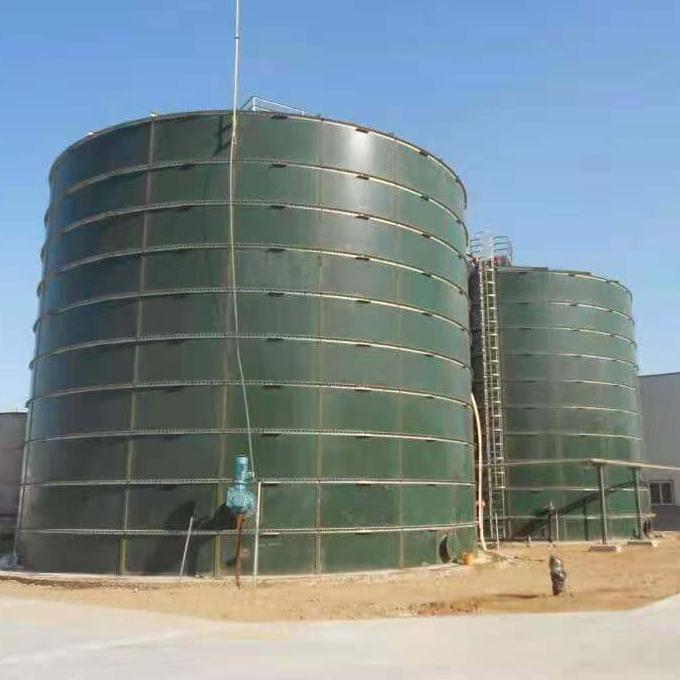
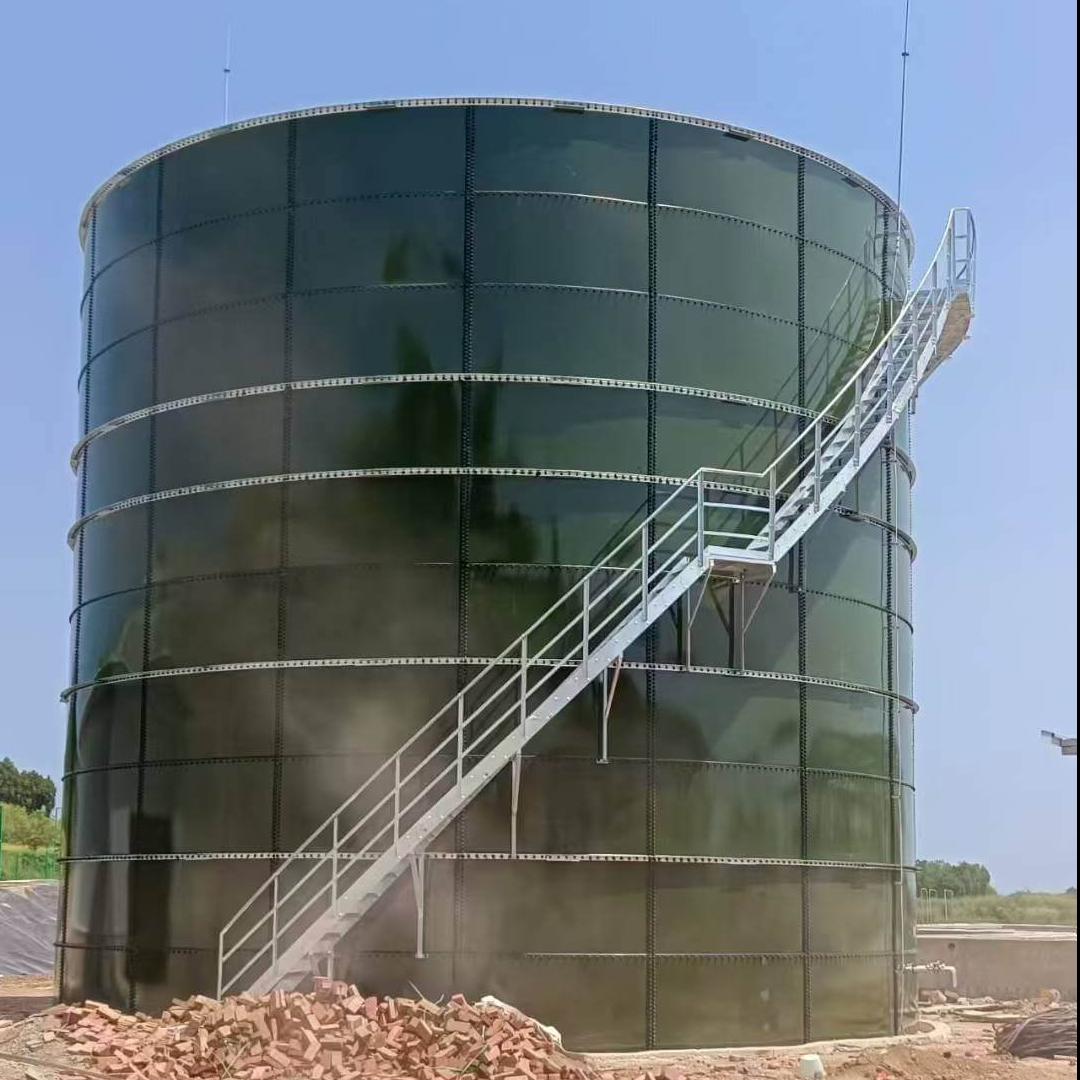
Epoxy Bolted Tank
Concept: A high-quality steel substrate is spray-coated with epoxy resin paint and then cured via a high-temperature sintering process (typically 200-300°C), forming a dense, tough polymer protective film with excellent chemical stability.
Protection Mechanism: Physical barrier + Chemical bonding. The high-temperature sintering creates powerful adhesion between the epoxy and the steel surface, while also causing the epoxy itself to cross-link and cure, forming a dense barrier that prevents contact between the medium and the substrate, coupled with excellent resistance to specific chemicals.
II. Comprehensive Comparison of Advantages and Disadvantages
Enamel Bolted Tank
Core Advantages:
- ▶ Ultra-Long Service Life: The inorganic enamel layer does not age, with a design life often exceeding 30 years.
- ▶ Extreme Hardness: High Mohs hardness (~6-7), offering superior resistance to mechanical wear and abrasion.
- ▶ High-Temperature Resistance: Can withstand high-temperature media long-term (typically ≤200°C) without performance degradation.
- ▶ Excellent Hygiene: Smooth, sterile surface, easy to clean, suitable for food and potable water industries.
Main Disadvantages:
- ▶ Brittleness: Prone to chipping or cracking under strong impact or improper installation stress, exposing the steel substrate to corrosion.
- ▶ Difficult Repair: On-site repair is complex, requires specialized equipment/materials, and results rarely match the original factory quality.
- ▶ Higher Cost: Complex production process and high energy consumption lead to a higher initial investment.
- ▶ Chemical Limitations: Not resistant to hydrofluoric acid, concentrated phosphoric acid, and high chloride ion environments.
Epoxy Bolted Tank
Core Advantages:
- ▶ Superior Chemical Resistance: The high-temperature sintered epoxy coating has a dense structure, providing far greater tolerance to media like strong acids, strong alkalis, and high chloride ion concentrations compared to standard coatings.
- ▶ Excellent Adhesion & Flexibility: The high-temperature sintering process creates a powerful bond with the steel, allowing it to withstand minor deformation and offering good impact resistance.
- ▶ Repairability: Damage can be repaired on-site via professional grinding and re-spraying/curing, a relatively straightforward process.
- ▶ Cost-Effectiveness: Initial investment cost is typically lower than an equivalent enamel tank.
Main Disadvantages:
- ▶ Lower Temperature Resistance than Enamel: Although sintered at high temperatures, the long-term service temperature usually does not exceed 80-100°C, still lower than enamel.
- ▶ Lower Hardness than Enamel: Although harder than standard paint, its surface hardness is inferior to inorganic enamel, making it more susceptible to scratches from sharp objects and severe abrasion.
- ▶ Service Life: As an organic polymer, its design life is typically 15-25 years, potentially requiring mid-life maintenance.
III. Application Environment Selection
1. Enamel Bolted Tank: Suitable and Unsuitable Environments
Ideal Applications:
- Neutral to weakly alkaline wastewater: Municipal sewage, domestic wastewater.
- Organic wastewater: Agricultural biogas (livestock manure), food waste anaerobic digestion, food processing wastewater.
- Low/medium-temperature liquid storage: Potable water, process water, rainwater.
- Environments with low corrosivity but high abrasion: Wastewater containing suspended solids, where enamel’s hardness is advantageous.
Contraindications & Risky Environments:
- Strong Acid environments (pH < 4): e.g., pickling wastewater, chemical industry acidic wastewater, can slowly corrode the enamel.
- Strong Alkali environments (pH > 10, especially at high temperatures): Concentrated alkalis can cause “alkali etching” of the enamel.
- High Chloride Ion environments (Cl⁻ > 5000 mg/L): This is enamel’s “Achilles’ heel”. Chloride ions are small and highly penetrative. Once they reach the steel substrate through micro-cracks, they can cause severe pitting and stress corrosion cracking, leading to rapid tank perforation and failure. Common in landfill leachate, desalination brine, and some chemical/pharmaceutical wastewater.
2. Epoxy Bolted Tank: Suitable and Unsuitable Environments
Ideal Applications:
- The solution for “Problematic Wastewater”: Specifically handles corrosive media that enamel cannot withstand.
- High Chloride Ion Wastewater: Landfill leachate, seawater, pharmaceutical intermediate wastewater, etc. (Cl⁻ can reach tens of thousands mg/L).
- Strong Acid/Alkali Wastewater: High-temperature sintered epoxy coatings, especially special formulations like phenolic epoxy, can stably withstand a wide pH range.
- General Industrial Wastewater: Used as anaerobic reactors, equalization tanks, storage tanks.
- Applications requiring frequent inspection or prone to impact: Its ease of repair is a major advantage.
Environments Requiring Careful Evaluation:
- High-Temperature Media: Should not be selected if the media temperature consistently exceeds the coating’s tolerance limit (usually 80-100°C).
- Severe Abrasion Environments: Its abrasion resistance is inferior to enamel when the media contains a large amount of hard, sharp particles.
Quick Contact
Please leave your email or phone number, We will reply as soon as possible